Choosing a pet toy is more than picking the brightest color from a shelf. A good toy should match your pet’s size, chewing style, age, and daily energy. In 2026, popular options include treat-dispensing puzzles, durable rubber chews, interactive electronic toys, plush comfort toys, and chase toys. Each type serves a different purpose. Some encourage problem-solving, while others support exercise or calm indoor play.
Many owners also ask, “how long do pet toys usually last?” The honest answer depends on materials, play intensity, cleaning habits, and supervision. A soft plush toy may show loose stitching within days when used by a strong chewer. A high-quality rubber toy may remain useful for several months, but it can still develop cracks or sharp edges. Even an expensive toy is not automatically safe forever. Small details matter.
Watch the toy during real play. Does your dog bite one corner repeatedly? Does your cat pull at feathers until they loosen? These habits can shorten a toy’s safe lifespan. Veterinarians and pet-care professionals generally recommend regular inspections, washing products according to their labels, and replacing damaged items promptly. Yet no guide can predict every pet perfectly. I have found that owners sometimes underestimate quiet wear, especially around seams and squeakers. This guide compares leading pet toy types, explains realistic durability expectations, and offers practical ways to choose safer, longer-lasting options for different animals. Personal observation still matters.
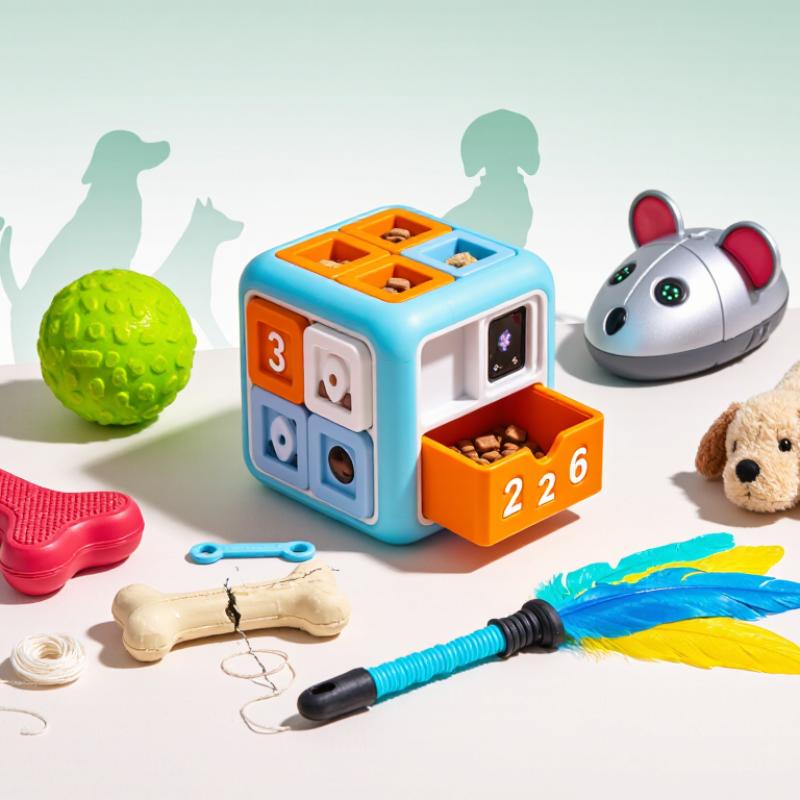
Pet toys now serve different needs, not just entertainment. Chew toys support natural biting, while fetch toys encourage movement and shared play. Puzzle toys make pets search, slide, or lift parts for hidden food. Soft comfort toys can help some animals relax, especially during travel or quiet evenings. Cats often prefer teaser toys, rolling balls, and climbing accessories. Toy life varies widely. A durable rubber chew toy may last several months, but a plush toy may show damage within days. Size, material, bite strength, and play frequency all matter.
Tips: Inspect every toy before and after active play. Remove loose threads, cracked pieces, or small parts immediately. Choose a toy larger than your pet could swallow. Rotate several toys weekly to reduce boredom and wear. Wash fabric toys according to their care instructions, and dry them completely. Do not assume a thick toy is automatically safe. Some powerful chewers can damage it quickly.
In my experience, the best toy is the one a pet uses safely and willingly. A puzzle toy may appear excellent, yet some pets lose interest after one session. I once underestimated how quickly a determined chewer could split a supposedly tough toy. That mistake reinforced the need for supervision. Replace toys when their structure changes, not only when they look unattractive. Professional animal-care guidance can help match toy types with age, chewing habits, and activity level. Expect variation. No lifespan estimate fits every pet.
How Different Pet Toys Support Play and Development
Pet toys are not merely distractions. They create small learning challenges for movement, attention, and self-control. The 2023–2024 APPA National Pet Owners Survey reported that 66% of U.S. households owned a pet, showing how widely enrichment fits daily home life. For dogs, tug toys encourage controlled pulling and social interaction. Food puzzles add problem-solving, but difficulty should match the dog’s experience. A puzzle that is too hard may produce frustration, not learning.
Cats often benefit from toys that imitate prey. Wand toys support stalking, chasing, and pouncing in short bursts. Lightweight balls encourage coordination across open floors. Rotating several toy types can prevent predictable play. It is not a perfect formula. Some cats ignore expensive toys and choose a paper box instead. That preference still provides useful information about texture, movement, and security.
Toy life depends on material, bite strength, cleaning, and play style. The American Veterinary Medical Association advises regular inspection and removal of damaged items. Check seams, loose threads, cracked plastic, and missing parts before each session. A soft toy may last weeks, while a gentle cat may use it for months. No fixed lifespan is reliable. In my view, replacement should follow wear, not the calendar. Supervised play also matters, especially with string-like attachments and toys small enough to swallow.
Rubber, nylon, rope, and plush toys age very differently. Their lifespan depends on bite strength, play style, moisture, and cleaning habits. The American Pet Products Association reported that 66% of U.S. households owned a pet in its 2023–2024 National Pet Owners Survey. That large user base also means durability claims need careful interpretation. There is no universal industry test that guarantees a toy’s exact service life.
Natural or synthetic rubber toys often last six to twelve months with moderate chewing. Hard nylon toys may remain usable for three to twelve months, but sharp edges can appear sooner. Rope toys commonly last several weeks to three months. Their fibers loosen quickly during tugging. Plush toys may survive only a few days with an aggressive chewer. Gentle indoor play can extend them to several months. These ranges are practical estimates, not certified performance results. I have seen owners overestimate durability because a toy still looks clean.
Tips: Check toys after every active session. Replace cracked rubber, exposed stuffing, loose threads, or sharp nylon edges. Wash washable toys according to their care instructions. Dry them completely. Keep a simple replacement log. It may reveal that your “long-lasting” toy fails every six weeks. That is useful evidence. Consumer testing guidance from ASTM International emphasizes inspecting products for damage and foreseeable use risks, but it does not set one lifespan for every pet toy.
Typical estimated lifespan of common pet toy materials under regular household use
Plush toys generally have the shortest lifespan because fabric and stitching can tear during chewing or rough play. Rubber, nylon, rope, and silicone toys typically last longer, although durability depends on the pet’s size, chewing strength, play intensity, toy quality, and whether the toy is used indoors or outdoors. Inspect toys regularly and replace them when pieces become loose, cracked, or detached.
Pet toys rarely have a fixed lifespan. A soft toy may last several months, while a rubber ball can survive for years. The difference usually comes from material, construction, and daily use. In my experience, toys with reinforced seams and flexible, non-brittle materials handle repeated play better. However, even strong toys can fail quickly when used by powerful chewers.
Chew marks matter. Sharp teeth, pulling, tossing, and outdoor play all increase wear. A toy used on concrete may develop cracks faster than one used on grass. Heat, sunlight, moisture, and frequent washing can also weaken fabric or cause rubber to harden. Toy size is important too. Oversized pieces may frustrate smaller pets, while tiny parts can become dangerous when damaged. Not every toy survives.
I once underestimated how quickly a plush toy could lose its stitching after daily tugging. That mistake changed my inspection routine. I now check seams, stuffing, loose threads, cracks, and unusual odors before each play session. Cleaning methods matter as well. Hot water or harsh cleaners may damage certain materials, so follow the care instructions carefully. Store toys somewhere dry, and rotate them to reduce constant stress on one object. Replace a toy when pieces detach, the surface becomes sharp, or its shape changes noticeably. A longer-lasting toy is useful, but safe condition matters more than appearance or price.
Typical service-life estimates are based on ordinary household use. Actual durability varies according to the pet’s size, chewing strength, play style, supervision, toy construction, and cleaning routine.
| Pet Toy Type | Primary Use | Typical Lifespan | Most Important Durability Factors | Common Failure Signs | Safety and Replacement Guidance |
|---|---|---|---|---|---|
| Rubber Chew Toys | Chewing, independent play, and treat dispensing | 6–24 months | Rubber density, wall thickness, chewing intensity, temperature exposure, and whether the toy is used outdoors | Deep cracks, missing pieces, sharp edges, or a damaged opening | Inspect frequently. Replace immediately if pieces can be torn or swallowed. Choose a size that cannot fit fully inside the pet’s mouth. |
| Rope Toys | Tugging, interactive play, and supervised chewing | 1–6 months | Fiber strength, knot tightness, moisture, washing frequency, and chewing behavior | Loose strands, unraveling knots, frayed ends, or shortened sections | Use under supervision. Remove the toy when strands become loose because swallowed fibers may cause gastrointestinal problems. |
| Plush Toys | Comfort, carrying, retrieving, and gentle indoor play | 1 week–12 months | Fabric strength, seam quality, stuffing construction, washing, and the pet’s tendency to dissect toys | Torn seams, exposed stuffing, detached eyes or parts, and damaged squeakers | Replace at the first sign of accessible stuffing, squeakers, or small detachable parts. Avoid giving heavily damaged plush toys to pets that ingest fabric. |
| Rubber or Plastic Balls | Fetching, chasing, and exercise | 3–18 months | Material flexibility, ball size, pavement use, punctures, sunlight, and chewing between fetch sessions | Punctures, deformation, surface splitting, or a size small enough to present a choking hazard | The ball should be large enough not to lodge in the throat. Discard cracked or punctured balls and avoid very hard balls that can damage teeth. |
| Food-Dispensing Toys | Foraging, mental stimulation, and slower feeding | 6–24 months | Material hardness, food residue, dishwasher or heat exposure, impact damage, and chewing around openings | Cracks, rough edges, blocked openings, or pieces breaking away during use | Clean regularly according to the material’s care instructions. Remove damaged parts and use only foods suitable for the pet. |
| Puzzle Toys | Problem-solving and supervised enrichment | 6–36 months | Number of moving parts, construction quality, moisture, storage, and whether the pet chews the components | Broken sliders, loose parts, splintering, exposed fasteners, or pieces that no longer lock securely | Use on a clean, dry surface and supervise initial sessions. Replace any component that can be detached or swallowed. |
| Cat Teaser Wands | Interactive chasing, pouncing, and exercise | 1–12 months | String or ribbon tension, attachment strength, storage, repeated pulling, and the cat’s chewing behavior | Frayed strings, detached lures, broken rods, or exposed wire | Store out of reach when not in use. Never leave string, ribbon, or elastic attachments with a cat unsupervised. |
| Catnip or Kicker Toys | Kicking, scent enrichment, carrying, and comfort play | 3–18 months | Fabric thickness, seam strength, clawing, washing, and the cat’s chewing intensity | Open seams, leaking filling, exposed internal material, or detached decorative parts | Replace when filling becomes accessible. Catnip effectiveness may decline over time even when the toy remains physically intact. |
| Bird Foraging and Shredding Toys | Foraging, chewing, climbing, and natural shredding behavior | Days–6 months | Bird size, chewing intensity, humidity, material type, attachment hardware, and frequency of use | Splintering, sharp wire, loose hardware, mold, or excessive fragmentation | Inspect daily. Remove damaged sections promptly and avoid materials treated with unknown chemicals, paint, or toxic finishes. |
| Small-Animal Wooden Chews | Dental wear, chewing, and environmental enrichment | Days–3 months | Animal species, chewing rate, wood hardness, moisture, coatings, and contamination | Sharp splinters, mold, heavy soiling, or a piece small enough to be swallowed | Use untreated, pet-safe materials. Replace when the chew becomes sharp, damp, moldy, or small enough to create an obstruction risk. |
Pet toys rarely fail on a fixed schedule. Their lifespan depends on material, chewing strength, washing, and daily use.
Plush toys may last days, while sturdy rubber or puzzle toys can last months. I inspect every toy during cleanup, not only when damage looks dramatic. Frayed seams, exposed stuffing, cracked plastic, or loose squeakers require immediate removal. Small parts can become choking hazards or cause intestinal blockage if swallowed. That risk is easy to underestimate.
Replace a toy when teeth marks create sharp edges, ropes shed strands, or a ball becomes too small. Discard items with sour smells, moldy spots, deep cuts, or missing pieces after washing. A toy that suddenly breaks apart deserves no second chance.
I once kept a favorite plush toy because it looked washable, although its inner seam had weakened. It was poor judgment. Now I squeeze rubber toys, tug ropes gently, and check puzzle compartments before supervised play.
Veterinary safety guidance recommends matching toy size to the animal’s mouth. Separate pets during competitive play. If a dog guards a damaged toy, trade it for food instead of pulling forcefully.
Cats need similar checks. Remove dangling threads, bent wand wires, and loose feathers immediately. Monitor wear after every active session.
Rubber toys often last six to twelve months with moderate chewing. Nylon toys may remain usable for three to twelve months. Rope toys often last several weeks to three months. Plush toys may survive only a few days with aggressive chewing.
Bite strength, play style, moisture, sunlight, and cleaning habits all matter. Tugging can loosen rope fibers quickly. Concrete may crack toys faster than grass. Usage matters more than appearance.
Check toys after every active play session. Look for cracks, loose threads, exposed stuffing, and sharp edges. A quick squeeze can reveal hidden damage. Check them often.
Replace it when pieces detach, seams open, or stuffing becomes exposed. Remove toys with sharp edges, deep cuts, mold, or sour smells. A loose squeaker also requires immediate removal. Do not give it another chance.
No. A clean surface can hide weak stitching or internal damage. I once kept a washable plush toy with a weakened inner seam. That was poor judgment. Inspect its structure, not only its appearance.
Follow the toy’s care instructions carefully. Hot water or harsh cleaners may weaken rubber or fabric. Dry washable toys completely before storage. Keep them somewhere dry.
Rotation may reduce constant stress on one toy. Store some toys while others are being used. Keep a simple replacement log with dates and damage notes. The record may reveal a six-week failure pattern.
Match the toy size to the pet’s mouth. Tiny damaged parts may become choking hazards or cause intestinal blockage. Oversized toys may frustrate smaller pets. Size deserves more attention.
In 2026, pet toys are available in several main categories, including chew toys, interactive puzzle toys, fetch toys, plush toys, tug toys, and treat-dispensing designs. Each type supports play and development in a different way: chewing can help satisfy natural instincts, puzzles encourage problem-solving, fetching promotes exercise, and tugging can strengthen coordination and engagement. Choosing toys that match a pet’s size, age, energy level, and play style can make daily activities safer and more rewarding.
Many pet owners ask, “how long do pet toys usually last?” The answer depends on the material, construction, frequency of use, and a pet’s chewing strength. Plush toys may wear out quickly, while durable rubber, rope, or reinforced materials may last longer with proper care. Heat, moisture, rough surfaces, and poor storage can also reduce a toy’s lifespan. Replace any toy that is torn, cracked, badly worn, missing pieces, or producing loose fibers, since damaged toys may create safety risks.
