Why Do Pets Prefer Some Toys Over Others

Time:2026-08-02 Author:Mason
0%

Understanding why do pets prefer certain toys over others is crucial for pet owners. Various studies highlight the relationship between a pet’s personality and toy selection. According to the American Pet Products Association, over 70% of dog owners report that their pets show distinct preferences for specific toys.

These preferences can stem from factors like texture, size, and noise. For instance, dogs often favor squeaky toys due to the sound mimicking prey. Cats, on the other hand, may prefer feathered toys that imitate birds. Pet behaviorists suggest that familiarity and previous play experiences significantly influence these choices.

However, not all toys meet pets' needs. The risk is that owners might overlook what their pets truly enjoy. Selecting the wrong toy could lead to boredom or even anxiety in pets. Understanding the reasons behind toy preferences promotes better emotional well-being. Thus, exploring "why do pets prefer certain toys over others" is essential for enhancing their playtime and overall happiness.
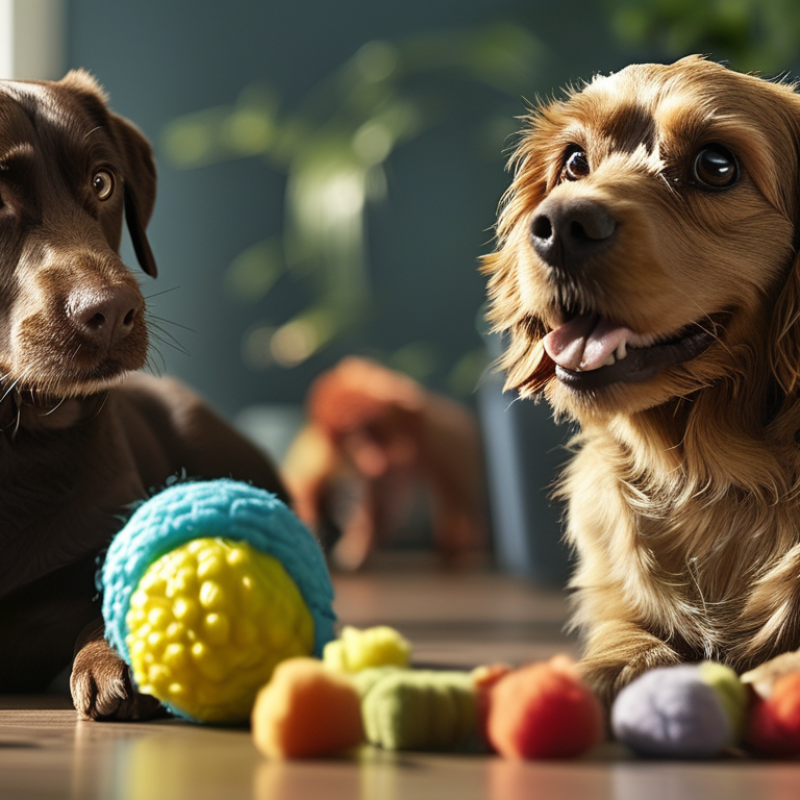
Why Do Pets Prefer Some Toys Over Others

Factors Influencing Pet Toy Preferences: A Comprehensive Overview

Understanding pet toy preferences involves several factors. Various studies indicate that pets, particularly dogs and cats, gravitate toward toys based on texture, size, and noise. According to a survey by the American Pet Products Association, 68% of pet owners report that their pets show a marked preference for toys that offer different tactile experiences. Soft toys may be favored for comfort, while chew toys attract those with a more robust need for chewing and gnawing.

Color plays a significant role in toy selection too. Research reveals that pets perceive colors differently. While dogs see a limited color spectrum, cats are more responsive to bright colors. A study in the Journal of Feline Medicine and Surgery highlights that toys with contrasting colors can capture a cat's attention more effectively than pastel shades.

Curiously, emotional factors also influence choices. Pets may develop attachments to specific toys, often leading to increased playtime. Observational data shows that comfort and familiarity can result in pets favoring old or worn toys over newer options. This can challenge owners seeking to introduce new toys. Understanding these preferences can lead to better choices and happier pets.

The Role of Texture and Material in Toy Appeal for Pets

Toys are essential for pets. They not only provide entertainment but also stimulate physical and mental activity. When choosing toys, texture and material play significant roles. Pets often prefer toys that feel good in their mouths or under their paws. A soft plush toy might be comforting, while a rubber one can satisfy chewing instincts.

The texture influences how pets interact with their toys. For example, a cat may enjoy the crinkly sound of a toy with a unique fabric. Dogs might prefer something that squeaks. Each pet has individual preferences, shaped by their experiences. It’s fascinating to observe how some pets gravitate towards toys that mimic natural prey. Others might shy away from hard or uncomfortable materials.

While brands often promote certain toy features, not all pets respond the same way. A dog might show little interest in a popular chew toy. Instead, a simple ball of yarn could capture a cat's attention for hours. This highlights the need for pet owners to pay attention to their pets’ preferences. Understanding what your pet enjoys takes time and observation. Each pet is unique, and toy choices can often lead to moments of joy or frustration.

How Squeakers and Sounds Affect Toy Attraction in Dogs and Cats

Pets show distinct preferences for certain toys, often influenced by sound. Squeakers in toys can grab a dog's attention instantly. The sudden noise mimics small prey, triggering their natural instincts. Similarly, cats react to sounds like crinkles or chirping. These sounds stimulate their curiosity and playful behavior.


When choosing toys, consider what sounds your pet enjoys. Observe how they react to different noises. If they seem disinterested, try different materials or shapes. Some pets prefer soft toys, while others like hard ones. This trial and error can help ensure your pet stays engaged.


Tips:
1. Always supervise playtime. Some pets may chew through toys quickly.
2. Rotate toys regularly to keep their environment fresh and exciting.
3. Pay attention to your pet’s favorites. Creating a diverse selection will keep them intrigued.

The Impact of Size and Shape on Pet Engagement with Toys

When it comes to choosing toys, pets often exhibit clear preferences. The size and shape of these toys play critical roles in pet engagement. A toy that fits comfortably in a pet's mouth is generally more appealing. For instance, smaller toys entice smaller dogs and cats, while larger pets might prefer toys that are proportionate to their size.

Shape also impacts how pets interact with toys. Round toys can roll and bounce, capturing attention through movement. In contrast, flat or irregularly shaped toys may engage pets through different tactile experiences. Pets often enjoy chewing, tossing, and chasing. Thus, toys that can be manipulated tend to spark more interest.

**Tips:** Consider your pet’s play style when selecting toys. Observe how they interact with their current toys. If they prefer to chew, choose durable materials. Look for toys that stimulate curiosity, like those with different shapes or textures. Regularly rotating toys can keep their playtime fresh and exciting. Watch for signs of boredom, such as losing interest or less frequent play.

Why Do Pets Prefer Some Toys Over Others - The Impact of Size and Shape on Pet Engagement with Toys

Toy Type Size (inches) Shape Engagement Level (1-10) Preferred By
Tennis Ball 3 Round 9 Dogs
Catnip Mouse 6 Mouse-Shaped 8 Cats
Rubber Duck 5 Duck-Shaped 7 Dogs
Interactive Puzzle Toy 8 Multi-Shape 10 Dogs and Cats
Laser Pointer N/A Light Beam 9 Cats

Age and Activity Level: Understanding Variation in Toy Choices Among Pets

Pets display a variety of preferences when it comes to toys. Age and activity level greatly influence these preferences. According to a study by the American Veterinary Medical Association, younger pets tend to prefer interactive toys that stimulate their curiosity. Older pets, however, may lean towards softer, more comforting toys. This difference hints at the varying emotional and physical needs between age groups.

Activity level also plays a crucial role in toy choices. A report from the Association of Pet Product Manufacturers highlights that active pets, such as puppies, often thrive with toys that encourage play, like balls and tug ropes. On the contrary, less active pets find joy in simpler toys that require less engagement. These insights reveal a deeper understanding of pet behavior.

Interestingly, not all preferences are consistent. A dog might favor a squeaky toy one day and ignore it the next. This whimsical behavior can be puzzling for owners. Observing these shifts in preference is essential for understanding the unique personality of each pet. Tailoring toy choices to age and activity level can significantly enhance a pet's well-being and enjoyment.

Why Do Pets Prefer Some Toys Over Others?

This chart illustrates the preferences of pets for various types of toys based on their age and activity level. The data reflects the percentage of pets that show a preference for each toy type.

FAQS

: Why are toys important for pets?

: Toys provide entertainment and stimulate physical and mental activity in pets.

What role does texture play in toy appeal?

Texture influences how pets interact with toys. Pets prefer those that feel good in their mouths or paws.

How do sound features affect toy attraction?

Sounds, like squeaks or crinkles, can grab pets' attention and trigger their natural instincts.

Why might a pet not like a popular toy?

Not all pets respond the same. A popular toy may not appeal to every pet.

How can I determine my pet's toy preferences?

Observe how your pet reacts to different toys. Take note of what engages them the most.

What should I consider when choosing toys?

Consider pet preferences for texture and sound, and provide a diverse selection to keep them engaged.

How can I keep playtime safe?

Always supervise your pet during playtime, as some pets may chew through toys quickly.

When should I rotate my pet's toys?

Regularly rotating toys can keep your pet’s environment fresh and exciting for them.

What if my pet seems disinterested in toys?

Experiment with different materials, sounds, or shapes to find out what piques their interest.

Can the choice of toy lead to frustration?

Yes, choosing the wrong toy can lead to frustration. Understanding your pet's preferences is key.

Conclusion

Understanding why do pets prefer certain toys over others involves a variety of factors that influence their choices. This comprehensive overview identifies key elements such as texture, material, size, and shape, all of which play a significant role in a pet's attraction to their toys. For instance, pets often gravitate towards toys that are made from materials that feel pleasant or safe in their mouths, while the presence of squeakers and engaging sounds can further enhance their excitement and interaction.

Additionally, a pet's age and activity level significantly impact their toy preferences. Younger, more active pets may prefer toys that are more dynamic and stimulating, whereas older or less active pets might favor simpler, easier-to-handle options. By examining these factors, we can gain a deeper understanding of what drives pet engagement and satisfaction with their toys, shedding light on the question of why do pets prefer certain toys over others.

Mason

Mason

Mason is a seasoned marketing professional with a deep expertise in the company's offerings and a passion for driving brand awareness. With a strong background in digital marketing strategies, he has an innate ability to connect with diverse audiences and effectively communicate product benefits.......