10 Best Reasons Why Do Dogs Destroy Their Toys So Fast?

Time:2026-07-03 Author:Aria
0%

In understanding the complex behavior of dogs, the question arises: why do dogs destroy their toys so fast? Dr. Emily Weiss, a renowned pet behaviorist, notes, "Dogs often see toys as prey, leading to instinctive destruction." This instinctual behavior is often misunderstood by pet owners, who might feel frustrated when their dogs shred toys within minutes.

Dogs have natural tendencies to chew and play vigorously, and many toys can’t withstand this enthusiasm. When a dog plays, their strong jaws and powerful teeth often overpower the materials used in toys. The thrill of ripping apart a toy can be satisfying for them, both mentally and physically.

Moreover, each dog has unique preferences that influence their toy destruction. Some prefer plush toys, while others favor rubber or latex. It’s essential for owners to recognize these preferences. Understanding the question of why do dogs destroy their toys so fast means acknowledging the balance between durability and satisfying a pet's instincts. This exploration encourages reflection on how to choose toys that align with a dog's natural behavior and ensure their happiness.
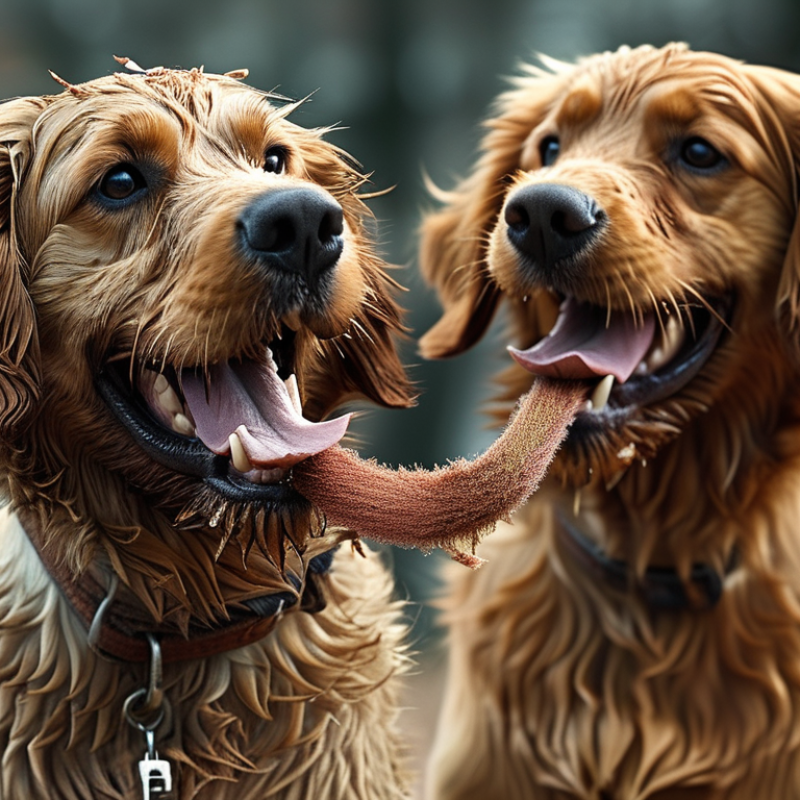
10 Best Reasons Why Do Dogs Destroy Their Toys So Fast?

Understanding Common Dog Behaviors That Lead to Toy Destruction

Dogs often destroy their toys due to their natural instincts and behaviors. Chewing is a key activity for dogs. It helps to keep their teeth clean and relieve stress. For some dogs, toys become targets for their energy and excitement. This behavior can stem from boredom, anxiety, or hunting instincts.

When a toy seems boring, a dog may dig deeper into it. They often see it as a challenge or puzzle. Owners can help by selecting durable toys that withstand aggressive chewing. Choosing interactive toys can also engage and stimulate their minds. This can minimize the urge to destroy.

An important area to consider is the dog's environment. A chaotic space may increase anxiety, leading to destructive behaviors. Providing a calm zone with comfortable resting areas can reduce stress. Regular exercise also plays a vital role. Walks or play sessions can tire them out, making them less likely to destroy toys. Pay attention to your dog’s habits. Understanding these behaviors will improve their toy experiences.

The Impact of Dog Size and Breed on Toy Durability

When considering how dogs destroy their toys, size and breed play crucial roles. Larger dogs often have powerful jaws. This can lead to faster wear and tear on toys. Breeds like German Shepherds or Labrador Retrievers tend to be more aggressive chewers. Their toys need to withstand immense pressure. On the other hand, smaller dogs might have different playing styles. They could play gently but still manage to shred toys.

Tips for choosing durable toys are essential. Look for toys made from rugged materials. Rubber and thick fabric tend to last longer. Choose toys that match your dog's play habits. For instance, soft toys may not last with a strong chewer. Regularly inspect your dog's toys for signs of damage. A vigilant approach can help you keep your dog safe.

Each dog is unique, and their toy destruction may reflect their personality. Some dogs engage in playful chewing, while others chew for stress relief. Understanding this behavior is vital. Providing mental stimulation can reduce the urge to destroy toys. Engage your dog with training or interactive toys. This often helps reduce destructive tendencies.

Reasons for Play Aggression: Why Dogs Chew and Tear

Dogs often exhibit play aggression, which can lead to the destruction of their toys. This behavior stems from their natural instincts. Chewing and tearing simulate hunting and capturing prey. Many dogs engage in these activities as a part of play, using their teeth as tools to interact with their environment.

When a dog vigorously chews a toy, it releases pent-up energy. This is especially common in young dogs. They explore their world with their mouths, which makes toys a target. Some breeds, like terriers, tend to have a stronger urge to shred items. This isn’t just a phase; it can be a lifelong habit. Owners may find themselves frequently replacing toys due to wear and tear.

Another factor is boredom. Dogs left alone for long periods may resort to destructive behavior as a way to cope. This can lead to an unexpected mess at home. Providing sufficient mental stimulation is crucial. Engaging toys, training, and regular exercise help reduce play aggression. However, it’s important to accept that some destruction might always occur. Embracing this reality allows owners to better understand their dogs' needs.

Assessing the Quality of Toys: Materials and Design Matters

When selecting dog toys, the materials and design play a crucial role. Dogs often destroy toys quickly due to poor craftsmanship or unsuitable materials. For instance, cheap plastic toys may break easily, creating sharp edges that can harm your pet. In contrast, toys made from durable rubber or reinforced fabric tend to last longer. These materials withstand chewing and tugging, making playtime safer and more enjoyable.

Moreover, the design of the toy matters significantly. Toys that are not designed for a dog's chewing style can disintegrate rapidly. For example, a soft plush toy might be tempting but can be shredded within minutes by an enthusiastic chewer. It's essential to choose toys that match your dog’s size and strength. Testing the toy’s durability before allowing your dog to play with it can prevent disappointments and keep your furry friend engaged for longer periods. Observing how your dog interacts with different toys can also provide insights into what works best for them.

Strategies for Choosing Durable Dog Toys to Prevent Destruction

When selecting durable dog toys, it's crucial to understand your dog's chewing habits. Some dogs are aggressive chewers and need strong materials. Look for toys made from heavy-duty rubber or nylon. These materials can withstand tough bites, offering longer-lasting fun for your dog.

Consider the size of the toy, too. A toy that’s too small may be easily destroyed. Dogs might tear apart toys that they can easily crush in their mouths. Choosing the right size can prevent quick destruction and ensure safe playtime. Don't hesitate to observe how your dog interacts with toys. This can provide insight into their preferences and help in making better choices.

Pay attention to the design of the toy. Some toys have reinforced seams that add extra strength. Trying different shapes can also keep your dog engaged longer. A variety of textures can be appealing, but even the sturdiest toys can show wear and tear over time. It's a learning process, and sometimes it's okay to reflect on which toys fall short. Consider rotating toys regularly to maintain your dog's interest without overwhelming them.

FAQS

: Why do dogs destroy their toys?

: Dogs often destroy toys due to instincts. Chewing keeps teeth clean and relieves stress.

How can I prevent my dog from destroying toys?

Selecting durable toys can help. Interactive toys stimulate their minds and reduce destruction urges.

Does a dog's size and breed affect toy durability?

Yes, larger breeds often have stronger jaws, leading to faster toy wear. Smaller dogs also shred toys differently.

What materials should I look for in durable toys?

Look for rugged materials, like rubber and thick fabric. These last longer against aggressive chewing.

How does the dog's environment impact toy destruction?

A chaotic environment may increase anxiety and lead to destructive behaviors. A calm space helps reduce stress.

How important is exercise for preventing toy destruction?

Regular exercise helps tire dogs out. Tired dogs are less likely to destroy their toys.

What should I do if my dog's toys show damage?

Inspect toys regularly for damage. A vigilant approach keeps your dog safe from harmful pieces.

Can training help reduce destructive behaviors in dogs?

Yes, providing mental stimulation through training can lessen the urge to destroy toys. Engaging activities are beneficial.

Why do some dogs chew for stress relief?

Chewing helps some dogs cope with anxiety. This behavior reflects their personality and emotional state.

What if my dog still destroys toys despite efforts?

Not all dogs will stop completely. Reflect on their habits and adapt your approach toward their specific needs.

Conclusion

Understanding why dogs destroy their toys so fast involves examining various behavioral traits and the inherent characteristics of the breeds. Many dogs exhibit natural instincts, such as play aggression, which can lead to aggressive chewing and tearing of toys. Larger breeds may have more powerful jaws, influencing the durability of their toys, while smaller breeds might not need as robust materials.

The materials and design of dog toys play a crucial role in their longevity; toys made from high-quality, durable materials tend to withstand rough handling better. To mitigate the rapid destruction of toys, it’s essential for pet owners to assess these factors and select toys that suit their dog's size and play style. By understanding these dynamics, owners can make informed choices to prolong the life of their dog's toys.

Aria

Aria

Aria is a dedicated marketing professional with a deep passion for innovative strategies and a keen understanding of our company's product offerings. With a wealth of experience in the industry, Aria excels at crafting engaging content that highlights the unique features and benefits of our......