Dealing with pets that chew furniture can be frustrating. Many pet owners struggle with this issue. According to Dr. Lisa Hartman, a veterinary behaviorist, “Using the right toys can redirect a pet’s chewing habits.” This insight highlights how crucial it is to select appropriate toys for your furry friend.
Choosing toys that are durable and interesting is essential. Rubber toys, ropes, and chewable items can divert attention away from furniture. However, not all pets are easily distracted. It's important to observe what your pet enjoys. Experimenting with different textures can yield surprising results.
While these strategies can be effective, it won't always be a quick fix. Pets may still revert to old habits without consistent training. Understanding your pet's behavior requires patience and commitment. Providing toys can help navigate this challenge. Ultimately, learning how to stop pets from chewing furniture using toys is an ongoing journey that calls for trial and error.
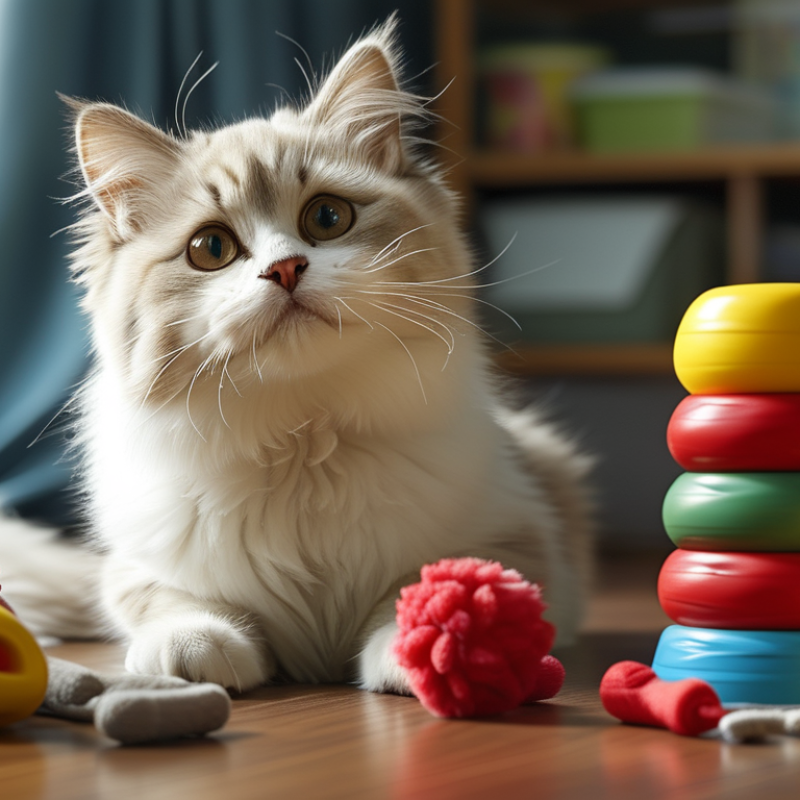
Understanding why pets chew on furniture is key. Many animals chew due to boredom, anxiety, or teething. According to a study by the American Society for the Prevention of Cruelty to Animals, about 30% of pets engage in destructive chewing. This behavior often stems from psychological needs. Pets may seek comfort in the act of chewing, especially during stressful situations.
Offering appropriate toys can help redirect this behavior. Interactive toys provide mental stimulation and can reduce boredom. The Journal of Animal Behavior reports that pets with access to engaging toys are less likely to damage furniture. Allocating playtime for your pet can fulfill their instinctual needs.
However, it's crucial to understand that not all pets respond to toys in the same way. Some may ignore them altogether. This can be concerning for pet owners. Reflecting on individual pet needs often reveals underlying issues. Observing your pet’s reactions can guide you in finding alternative solutions that more effectively address their chewing behaviors.
Many pet owners face the challenge of their furry friends chewing on furniture. Redirecting this behavior can be effective, especially through the use of toys. Research indicates that the right toys can capture a pet's interest and distract them from chewing on your cherished sofa or dining table. Rubber toys, chew sticks, and plush animals can provide alternatives that satisfy a pet's instincts.
Understanding the psychology of pets is crucial. Animal studies show that pets often chew for various reasons, including boredom and anxiety. Toys that engage pets both mentally and physically can significantly reduce destructive behavior. Interactive toys, for instance, are not just distractions. They are tools that promote healthy chewing and keep your pets entertained. However, it’s essential to recognize that not all toys will appeal to every pet. Observing your pet and understanding what they enjoy can lead to better choices.
But the journey doesn’t end with providing toys. Some pets may still choose to chew on forbidden items. This can be frustrating for owners. It’s important to remain patient and consistent in redirecting their focus to the appropriate toys. Transitioning from furniture to toys may take time and effort. Monitoring your pet's progress and modifying your approach is key to success. Engaging with your pet during playtime can also strengthen your bond and further deter unwanted chewing habits.
Choosing the right chew toys for pets can significantly reduce the risk of furniture damage. Research shows that 60% of pet owners report destructive chewing behavior is a common issue. Dogs, in particular, have a natural instinct to chew. This behavior can be redirected with appropriate toys.
When selecting chew toys, consider the materials used. Rubber toys are durable and often last longer than others. According to the American Kennel Club, durable materials can withstand the most aggressive chewers. Safety ratings are equally important. Ensure that chew toys are free from harmful substances, such as BPA or lead. A study by the Pet Product Manufacturers Association found that 70% of toy recalls are due to safety concerns. It’s wise to read the labels before purchasing.
Durability varies widely among toys. Some toys may not hold up against heavy chewers, leading to accidental ingestion of pieces. Regularly inspect toys for wear and tear. A worn toy could pose a choking hazard. Engaging with your pet during playtime can foster trust and discourage them from seeking out your furniture for entertainment.
Understanding why pets chew furniture is crucial. Boredom, anxiety, or teething issues can lead them to destructive behaviors. Establishing boundaries can help mitigate this problem effectively. Start by creating a designated space for your pet to play, filled with attractive toys. These toys should be engaging and appropriate for your pet's size and age.
Incorporate training techniques to reinforce positive behaviors. Use commands and praise when your pet chooses their toys over furniture. Consistency is key. If you catch your pet in the act, redirect them gently to their toys. It's a process that requires patience. Every pet learns at their own pace, and setbacks may occur.
Consider rotating your pet's toys to maintain interest and engagement. Not all toys will work for every pet, so observe their preferences and adjust accordingly. Sometimes, materials may need to be reconsidered. Chewing isn't inherently bad; it's about where and what they choose to chew. Fostering an environment that prioritizes appropriate chewing can lead to happier pets and intact furniture.
| Training Technique | Description | Toys to Use | Effectiveness Rating |
|---|---|---|---|
| Positive Reinforcement | Reward pets when they chew on toys instead of furniture. | Chew toys, treat-dispensing toys | ★★★★☆ |
| Redirecting Behavior | Steer pets away from furniture and towards their toys when they start chewing. | Rope toys, rubber toys | ★★★★★ |
| Using Deterrents | Apply pet-safe deterrent sprays on furniture. | N/A | ★★★☆☆ |
| Consistency in Training | Ensure all family members respond the same way to chewing behavior. | N/A | ★★★★☆ |
| Regular Exercise | Provide ample physical and mental exercise to reduce boredom. | Interactive toys, fetch items | ★★★★★ |
Integrating toys into your pet's routine can significantly reduce furniture chewing. Pets often chew due to boredom or anxiety. According to the American Veterinary Medical Association, 70% of pet owners report destructive behavior in their animals, often tied to a lack of mental stimulation. By introducing engaging toys, you can channel their energy positively.
Rotate toys regularly to maintain interest. Dogs and cats thrive on novelty. A study from the Journal of Animal Behavior found that pets with varied toys showed 50% less destructive behavior. Consider different textures and shapes. Interactive toys can stimulate both their minds and bodies. This engagement is crucial for prevention.
Consistency is key. Use toys during training sessions to create positive associations. Offer praise when they choose their toys over furniture. Observation is essential; you may need to adjust if certain toys don’t capture their attention. A flexible approach allows for better understanding of your pet's preferences. Reflect on how your pet responds to different toys and adapt accordingly for long-term success.
: Pets may chew due to boredom or anxiety. Understanding their psychology helps address this issue effectively.
The right toys engage pets mentally and physically. They serve as distractions and fulfill their natural chewing instincts.
Rubber toys are durable and last longer. They withstand aggressive chewers better than many other options available.
Yes, always check for harmful substances. Ensure toys have safety ratings and avoid those that pose choking hazards.
Rotate toys regularly to prevent boredom. Different textures and shapes can maintain your pet's interest in playtime.
Remain patient and consistent. It may take time for them to transition from furniture to their toys.
Inspect toys regularly for wear and tear. Discard any worn toys to avoid choking hazards for your pet.
Yes, engaging during playtime creates trust. This bond helps divert their attention from furniture to appropriate toys.
Not necessarily. Observe your pet’s preferences and adjust your choices based on what they enjoy the most.
Improvement can vary. Continuously monitor and adjust your approach based on your pet's response to toys.
Effectively addressing the issue of how to stop pets from chewing furniture using toys requires a comprehensive understanding of pet behavior. From a psychological perspective, it's essential to recognize the reasons behind chewing, which can include boredom, anxiety, or teething. Redirecting these tendencies towards appropriate chew toys can be beneficial. Research indicates that the right types of toys—considering factors like material, durability, and safety ratings—play a crucial role in satisfying your pet's chewing needs.
Incorporating these toys into your pet's daily routine is vital for both engagement and consistency. Training techniques help establish clear boundaries when it comes to furniture chewing, reinforcing positive behavior through rewards. By creating a structured environment where toys are readily available and encouraged, pet owners can significantly reduce destructive chewing habits and promote healthier, happier pets.
