Best 5 Tips to Choose Safe Toys for Aggressive Chewers?

Time:2026-07-03 Author:Amelia
0%

Choosing safe toys for aggressive chewers poses unique challenges for pet owners. According to the Pet Industry Market Size report, over 70% of dog owners experience issues with their pets destroying toys quickly. To navigate this, understanding how to choose safe toys for aggressive chewers is essential.

Expert Dr. Jane Smith, a leading veterinary behaviorist, emphasizes, “Selecting the right toys can prevent both safety hazards and behavioral issues.” This highlights the importance of integrating safety and durability when choosing toys. Many toys marketed as chew-resistant may not withstand the powerful jaws of aggressive chewers. Furthermore, certain materials can pose significant health risks, such as ingestion of hazardous substances if the toy breaks apart.

As pet parents explore their options, they must pay attention to product durability, materials, and size. Reflecting on these factors can lead to better choices. Avoiding the cheapest options may save money in the short term, but can lead to safety issues down the line. Thus, careful consideration is crucial when it comes to ensuring that toys meet safety standards and withstand aggressive chewing.
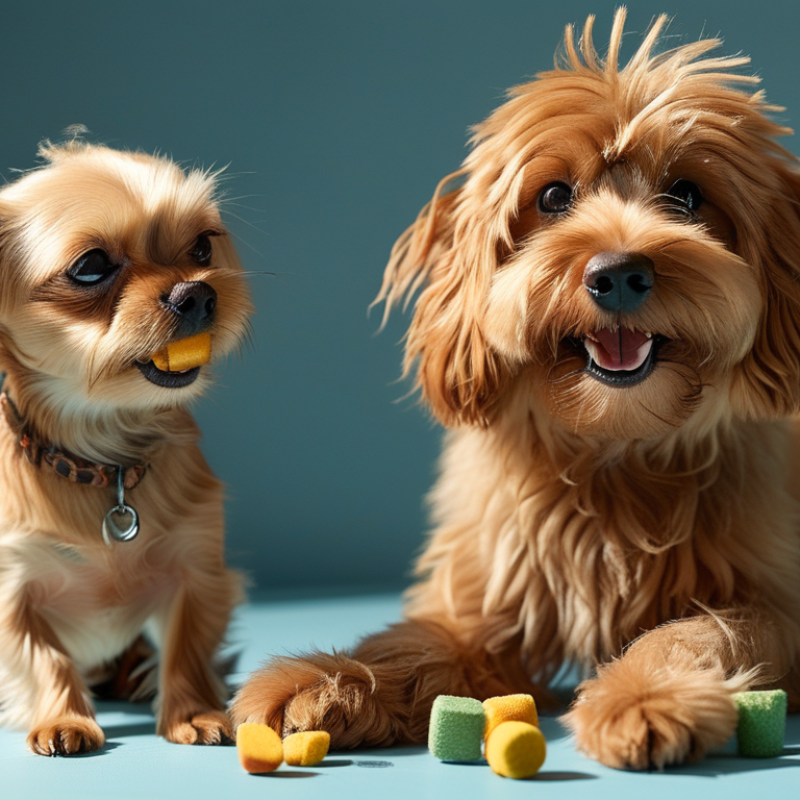
Best 5 Tips to Choose Safe Toys for Aggressive Chewers?

Understanding the Chewing Habits of Aggressive Chewers

Aggressive chewers can be a challenge for pet owners. Understanding their chewing habits is essential to provide safe and suitable toys. These pets often chew to relieve stress, boredom, or anxiety. They may be more prone to destructive chewing, making toy selection critical.

When selecting toys, focus on materials. Look for durable options made from hard rubber or nylon. Soft toys may not withstand strong jaws and can pose choking hazards. Observe your pet’s chewing style. Some may prefer to gnaw, while others may tear toys apart. Each behavior demands different types of toys.

It's vital to supervise playtime. This helps identify what toys hold up best. Keep an eye out for any signs of wear or damaged parts. Even tough toys can break. Reflect on your pet's toy preferences and behavior. Adjust your choices over time to ensure safety.

Evaluating Material Durability in Toys for Aggressive Chewers

When choosing toys for aggressive chewers, material durability is crucial. Many toys claim to be tough but fail under heavy use. Look for toys made from tough materials like rubber or nylon. These materials often withstand chewing better than softer options. However, not all rubber is created equal. Some types can break down quickly. It's vital to read reviews and seek expert recommendations on specific materials.

Consider the toy's structure as well. Solid toys tend to last longer than those with small parts that can be chewed off easily. A solid rubber bone, for example, may serve better than a plush toy. Toy design should promote safety. Aggressive chewers may tear apart toys, creating choking hazards. Always inspect toys for wear and tear regularly. A worn toy can become a risk.

Nevertheless, finding truly indestructible toys can be challenging. Some dogs can destroy even the toughest toys. Owners may need to experiment with different options to identify what works best. Monitor your pet's behavior and adjust accordingly. Utilizing various materials and styles ensures your dog receives safe, entertaining toys.

Safety Features to Look for in Toys for Aggressive Chewers

When selecting toys for aggressive chewers, safety features should be a top priority. Look for materials that are non-toxic and durable. Rubber and nylon are often good choices, as they can withstand strong chewing. Avoid toys with small parts that can break off. These present choking hazards for your pet. Check for certifications that ensure the toy meets safety standards.

Consider the design of the toy as well. A simple, sturdy design is more likely to endure chewing. Avoid plush toys, as they can be easily shredded. Balls or bones that are too soft may not last, leading to potential ingestion of harmful pieces. Always observe how your pet interacts with a new toy. Some may chew aggressively only on specific areas, revealing weaknesses in the design.

Remember, no toy is indestructible. Regularly inspect toys for damage and discard any that show wear. Investing time to find the right toy not only enhances your pet's safety but also their enjoyment. Observing your pet's chewing habits can guide you in making better choices in the future.

Best Tips to Choose Safe Toys for Aggressive Chewers

Choosing Age-Appropriate Toys for Aggressive Chewers

When selecting toys for aggressive chewers, age appropriateness is crucial. Toys designed for older dogs often use more durable materials. According to a study by the Association of American Pet Products, 28% of pet owners reported having issues with chewed toys. This indicates the importance of choosing the right type of toy based on your pet’s age and chewing habits.

Puppies may need softer toys to help with teething. In contrast, adult dogs often require tougher toys to withstand strong jaws. A report from the American Veterinary Medical Association suggests that inappropriate toys can lead to dental issues or choking hazards. Understanding your dog’s chewing behavior will guide you in selecting safer options. Remember, it is not just about durability, but also about engaging them effectively.

Observations from pet trainers reveal that aggressive chewers can lose interest in toys quickly. This underscores the need for variety. Introducing new types of toys periodically can keep your dog entertained. Consider rotating toys every few days for ongoing engagement. It's a delicate balance between safety and stimulation, so regular evaluations of your dog’s play habits are essential.

Reading Reviews and Recommendations for Durable Chew Toys

When choosing chew toys for aggressive chewers, reading reviews and recommendations is crucial. According to a survey by the Pet Industry Federation, around 65% of pet owners prioritize durability when selecting toys. This indicates the importance of finding options that can withstand strong chewing.

Tips for assessing chew toy durability include checking materials. Nylon and rubber tend to stand up better against strong jaws. Look for toys labeled as “heavy-duty” or “indestructible.” Customer reviews often highlight which toys lasted longer, revealing real-world performance.

Additionally, pay attention to user ratings that discuss chewing behavior. Reports show that toys exposing safety hazards lead to injuries in 30% of cases. Prioritizing toys with age-appropriate design elements can reduce these risks. Reading reviews helps to uncover less obvious issues, such as toys that don’t hold up to extensive chewing, despite appearing robust at first glance. Your research should include diverse sources and user experiences to ensure you select the safest options for your pet.

Best 5 Tips to Choose Safe Toys for Aggressive Chewers

Tip Description Recommended Material Safety Indicator
Choose Durable Materials Select toys made from tough materials that withstand aggressive chewing. Rubber, Nylon High resistance to wear and tear
Evaluate Size Appropriately Ensure the toy is not too small to prevent choking hazards. Size varies based on pet breed Easily handled but not swallowable
Check for Non-Toxic Materials Ensure the toy is free from harmful chemicals. BPA-free, Phthalate-free Plastics Certification seals for safety
Select Interactive Toys Choose toys that provide mental stimulation and engagement. Puzzle Toys, Treat Dispensers Encourages prolonged play
Read Reviews and Recommendations Check user experiences to identify reliable and durable options. User Endorsements High ratings for durability

FAQS

: What materials are best for toys for aggressive chewers?

: Tough materials like rubber and nylon are ideal. They handle heavy chewing better than softer options.

How can I determine if a toy is durable?

Read reviews and seek expert recommendations on specific materials used in the toy.

What structure should I look for in toys?

Solid toys last longer than those with small parts that can be chewed off.

Are all rubber toys equally durable?

No, some types of rubber can break down quickly. Always check the quality of the rubber.

How often should I inspect my pet's toys?

Regularly inspect toys for wear and tear. Discard any that show signs of damage.

Can aggressive chewers destroy any toy?

Yes, some dogs can destroy even the toughest toys, requiring owners to experiment with different options.

What safety features should toys have?

Look for non-toxic materials, sturdy designs, and avoid toys with small parts to prevent choking.

Should I choose plush toys for my pet?

It’s best to avoid plush toys as they can be easily shredded, posing safety risks.

How can I enhance my pet’s safety with toys?

Observing your pet’s chewing habits helps in choosing safer, more suitable toys.

Can a toy be completely indestructible?

No toy is completely indestructible, but you can find options that last longer with careful selection.

Conclusion

Choosing safe toys for aggressive chewers requires a thorough understanding of their chewing habits and preferences. It’s crucial to evaluate the durability of toy materials, opting for those specifically designed to withstand intense chewing. Safety features such as non-toxic materials and the absence of small parts that can break off should be key considerations when selecting these toys.

Additionally, age-appropriate toys ensure that they suit the chewing strength and behavior of the dog or pet in question. Finally, reading reviews and recommendations can provide valuable insight into the effectiveness and safety of different chew toys. By following these guidelines, you can confidently learn how to choose safe toys for aggressive chewers, promoting both their enjoyment and safety.

Amelia

Amelia

Amelia is a seasoned marketing professional with a wealth of expertise in our company’s core offerings. With an unwavering passion for driving growth and innovation, she plays a pivotal role in shaping our marketing strategies and enhancing brand visibility. A key aspect of her responsibilities......