Chewed chair legs, shredded cushions, and scattered stuffing often signal an unmet need, not simple disobedience. Dogs may destroy objects when they feel bored, anxious, frustrated, or physically under-stimulated. The right toy can redirect that energy toward a safer activity. However, one toy rarely fixes every behavior problem.
So, can toys reduce destructive behavior in dogs? Evidence from canine behavior practice suggests they can help when toys match a dog’s natural interests and daily routine. Food puzzles may occupy a scent-driven dog for fifteen quiet minutes. A durable rubber toy can support chewing needs, while a tug toy may provide structured interaction with an attentive owner. These examples are useful, but they are not guarantees.
This guide explains how to choose, introduce, rotate, and supervise dog toys in 2026. It also considers toy safety, enrichment quality, and the difference between boredom and separation-related distress. A toy left beside an anxious dog may accomplish very little. That matters.
Start by observing the behavior closely. Note when destruction happens, what objects are targeted, and how long the dog remains alone. Veterinary behaviorists and qualified trainers can help identify medical, emotional, or environmental causes. Pain, fear, and separation anxiety may require professional support beyond toys.
Owners should inspect toys daily for loose seams, missing pieces, or swallowed material. Replace damaged items promptly. I would not pretend that every recommendation works equally well. Dogs differ, households differ, and even a promising plan may need adjustment. Progress often appears quietly: fewer shredded tissues, calmer chewing, and a dog choosing its own toy.
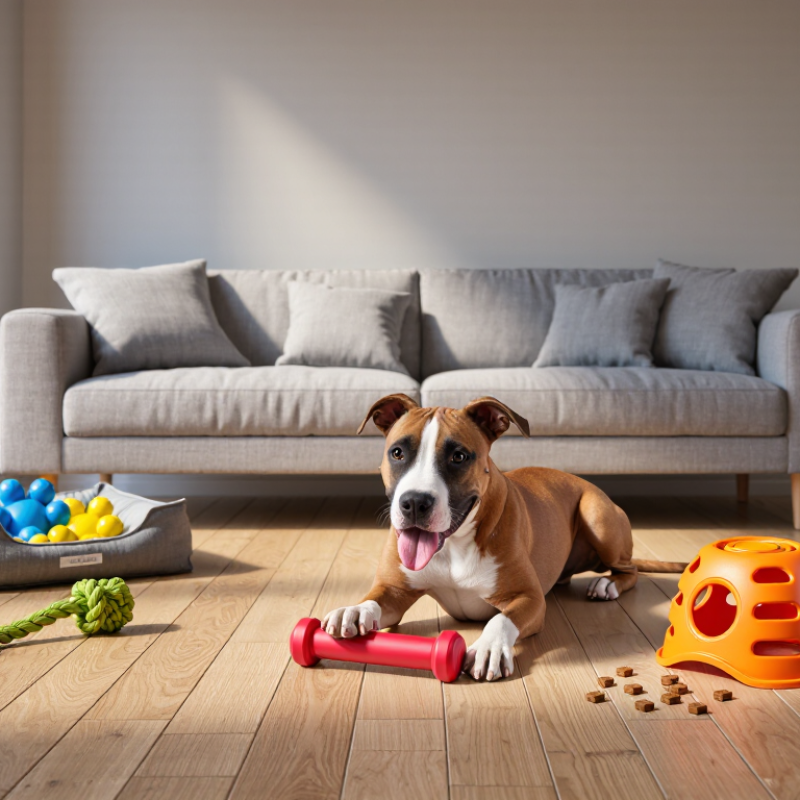
Understanding Why Dogs Become Destructive
Destructive behavior is rarely simple disobedience. A dog may chew chair legs because chewing feels calming, especially during teething or stressful changes. Boredom also matters. A dog left alone for hours may create its own entertainment. Sometimes, however, sudden destruction signals pain, anxiety, or another health concern. A veterinary check is sensible when the behavior appears suddenly or becomes intense.
Understanding the cause makes toy selection more useful. Dogs that love chewing may need durable rubber toys with food inside. Scent-driven dogs often enjoy simple search games, such as finding treats under safe cups. A dog worried during separation may prefer a quiet licking activity, but toys cannot replace gradual behavior training. Supervise new toys, inspect them for broken pieces, and remove anything small enough to swallow. Safety is not optional.
In my experience, rotating two or three suitable toys keeps them interesting. Leaving every toy out can make the room feel ordinary. I once assumed a dog needed more toys, when it actually needed shorter play sessions and calmer routines. That mistake is easy to repeat. Watch what happens before destruction: Is the dog restless, alone, hungry, or overstimulated? Record the pattern for several days. Reward chewing on the toy immediately, then calmly block access to furniture. Avoid punishment after the damage occurs, because the dog may not connect it with the earlier action. Some cases need help from a qualified behavior professional, especially when fear, aggression, or severe separation distress appears.
Choosing Toys for Your Dog’s Age, Size, and Chewing Style
Destructive chewing often reflects boredom, teething, anxiety, or an unsuitable toy. The American Pet Products Association’s 2023–2024 National Pet Owners Survey estimates that 65.1 million U.S. households own a dog. That scale makes thoughtful toy selection a welfare issue, not a shopping detail. In daily care, match the toy to your dog’s age, body size, and chewing style.
Puppies need soft, flexible toys that soothe sore gums without encouraging painful biting. Choose a size larger than the dog’s mouth, especially for fast chewers. Adult dogs may need rotating options, such as a durable chew, a treat puzzle, and a tug toy. Senior dogs often benefit from lighter toys with textured surfaces and easy movement. A rigid toy can be unsuitable for aging teeth. Very small dogs still need toys designed for small jaws, not miniature versions of hard adult chews.
Observe the dog, not just the package label. A shredder may destroy fabric within minutes, while a power chewer may break seams or swallow pieces. The American Veterinary Medical Association recommends supervision during play and removing damaged items. Good advice, but I have seen owners overlook tiny cracks until a toy becomes a choking risk. Inspect toys after each session. Replace them when stuffing, squeakers, or sharp edges appear. If your dog guards toys, swallows fragments, or damages teeth, ask a veterinarian or qualified behavior professional for a safer plan.
How to Use Dog Toys to Reduce Destructive Behavior in 2026
Choosing toys for your dog’s age, size, and chewing style
The chart uses a practical 1–5 fit score to compare toy-selection priorities. Choose toys that match your dog’s life stage, body size, and chewing intensity, and remove any toy that becomes damaged or small enough to swallow.
Score guide: 1 = lower priority, 5 = highest priority. These scores are a practical selection guide rather than clinical behavior measurements.
Introducing Toys as Safe Alternatives to Destructive Habits
How to Use Dog Toys to Reduce Destructive Behavior in 2026?
Introducing Toys as Safe Alternatives to Destructive Habits
A dog rarely destroys furniture without a reason. Chewing may release stress, boredom, or excess energy. Toys can provide a safer outlet, but they should match the dog’s size, chewing strength, and daily routine. A durable rubber toy can replace chair legs, while a treat puzzle can occupy a restless dog during quiet hours. Start with one toy near the problem area. Make the safe choice easier.
Watch what your dog actually does. Some dogs ignore soft toys but investigate objects that roll, crackle, or hold food. Reward calm interaction with gentle praise or a small food portion. If your dog grabs a shoe, avoid chasing. Trade it for an approved toy, then remove the shoe. This teaches choice without turning the moment into an exciting game. Keep sessions short. Five minutes may be enough.
Rotate several toys every few days to preserve interest, and inspect them for loose pieces or damage. Supervision matters, especially with powerful chewers. I have seen owners offer too many toys at once, then assume the method failed. The problem was often poor timing or insufficient exercise. Toys cannot fix separation distress alone. Sudden destruction, broken teeth, or swallowing attempts require veterinary or qualified behavior guidance. Even a successful plan may need adjustment. Dogs are individuals, and progress is rarely perfectly straight.
Using Play Routines and Puzzle Toys to Prevent Boredom
How to Use Dog Toys to Reduce Destructive Behavior in 2026?
Using Play Routines and Puzzle Toys to Prevent Boredom
Destructive chewing often begins with boredom, excess energy, or an unclear daily routine. A predictable play schedule can give your dog a healthier outlet. Try ten minutes of gentle movement after breakfast, followed by a supervised puzzle toy. Use a quiet area with enough space to turn and settle.
Start with easy puzzles. Hide a few pieces of kibble under loose compartments, then let your dog watch you demonstrate. Early success builds confidence and prevents frustration. Increase difficulty slowly. If your dog paws aggressively or abandons the toy, make it simpler. Mental work should challenge attention, not create distress.
Rotate several safe toys every few days. Keep only two or three available at once. This can make familiar objects feel interesting again. Check every toy for cracks, loose parts, or pieces small enough to swallow. Supervision matters, especially with strong chewers.
My own routine was too ambitious at first. I planned long sessions, but my dog became restless halfway through. Shorter sessions worked better. That experience reminded me to observe the individual dog, not follow a rigid timetable. Food puzzles should fit the dog’s size, eating habits, and health needs. Ask a veterinarian or qualified behavior professional if destruction appears suddenly, happens during separation, or continues despite enrichment. In those cases, a toy alone may not address the underlying problem.
Monitoring Progress and Adjusting Toy-Based Training in 2026
Reducing destructive behavior requires more than placing a toy near the furniture. I track when chewing happens, what object attracts the dog, and how long the dog stays engaged. A simple notebook works. Record the date, time, location, toy type, and stress signals, such as pacing or whining. These details reveal patterns that memory often misses.
I usually begin with short sessions after exercise, when the dog can focus. I offer one safe, durable toy and reward calm interaction within a few seconds. Progress may appear as fewer damaged objects, longer toy engagement, or faster recovery after a loud noise. I check these changes weekly, not hourly. Daily results can be misleading.
Adjustments should follow the evidence. If the dog ignores a toy, I test a different texture, shape, or filling method. If excitement becomes excessive, I shorten the session and add a quiet break. Toy rotation can keep interest fresh, but changing everything at once makes results difficult to interpret. I made that mistake with my own training plan. Too many options created more grabbing, not less.
A veterinarian can help rule out pain or medical causes. A qualified behavior professional can assess fear, separation distress, or compulsive chewing. Safety checks also matter. Remove damaged toys, loose threads, and small detachable parts immediately. Keep notes honest. One successful afternoon does not prove the behavior has changed. When setbacks appear, compare the environment, schedule, and supervision before changing the entire plan.
How to Use Dog Toys to Reduce Destructive Behavior in 2026? - Monitoring Progress and Adjusting Toy-Based Training in 2026
| Training Week |
Daily Supervised Sessions |
Average Toy Engagement
(minutes/session) |
Destructive Incidents
(per week) |
Successful Redirections
(%) |
Independent Toy Use
(minutes/day) |
Training Adjustment |
Progress Status |
| Week 1 |
2 |
6 |
12 |
42% |
8 |
Offer food-puzzle toys during predictable chewing periods and reward calm toy interaction immediately. |
Baseline |
| Week 2 |
2 |
8 |
10 |
50% |
11 |
Rotate two appropriate toy types while keeping one familiar toy available for consistency. |
Improving |
| Week 3 |
3 |
9 |
8 |
58% |
14 |
Practice “take the toy” and “drop” cues in short sessions; use treats or praise as reinforcement. |
Improving |
| Week 4 |
3 |
11 |
7 |
64% |
17 |
Increase enrichment difficulty gradually, but supervise toys that can be chewed apart or swallowed. |
Improving |
| Week 5 |
3 |
10 |
7 |
67% |
18 |
Maintain the current routine and replace any damaged toy before loose pieces become accessible. |
Maintain |
| Week 6 |
3 |
13 |
5 |
74% |
22 |
Use a brief play or exercise period before expected alone time, followed by a safe enrichment toy. |
Improving |
| Week 7 |
2 |
12 |
4 |
79% |
24 |
Reduce prompts slightly and reward the dog for independently selecting an appropriate toy. |
Improving |
| Week 8 |
2 |
12 |
3 |
83% |
26 |
Continue weekly tracking; adjust toy type, difficulty, or supervision if incidents increase for two consecutive weeks. |
Improving |
Monitoring guide: Record only incidents involving inappropriate chewing, digging, shredding, or object destruction. Count a redirection as successful when the dog disengages from the prohibited item and interacts with an approved toy within 30 seconds. Inspect toys before and after use, supervise dogs that destroy or swallow toy materials, and seek veterinary or qualified behavior-professional advice when destructive behavior is sudden, severe, or linked with anxiety, pain, or ingestion of foreign objects.
FAQS
Chewing can reduce stress, soothe teething discomfort, or relieve boredom. A chair leg may become the easiest outlet.
Seek veterinary advice if destruction begins suddenly or becomes intense. Pain, anxiety, or another health problem may be involved.
Choose soft, flexible toys that soothe sore gums. Select a size larger than the puppy’s mouth.
Lightweight toys with textured surfaces are often easier for aging teeth. Very rigid toys may cause discomfort.
Watch the actual dog, not only the package description. Remove toys when seams split, stuffing appears, or edges become sharp.
Try a durable food-filled toy or a simple treat-search game. Hide treats under safe cups and supervise closely.
Probably not. Rotating two or three suitable toys can keep them interesting.
Record the date, location, toy, chewing time, and stress signals. Look for fewer damaged objects and calmer recovery.
Test another texture, shape, or filling method. Change one factor at a time. I sometimes change too much.
Avoid delayed punishment. Calmly block access, reward safe chewing, and improve supervision or routine. Mistakes still happen.
Conclusion
Destructive behavior in dogs often comes from boredom, excess energy, anxiety, teething, or a lack of appropriate outlets. Choosing toys that match a dog’s age, size, strength, and chewing style can provide safer alternatives to furniture, shoes, and other household items. When introducing a new toy, make it appealing through supervised play, praise, and short positive sessions so the dog learns what is acceptable to chew and explore. This helps answer the question: can toys reduce destructive behavior in dogs? Yes, when toys are selected and used thoughtfully, they can redirect natural instincts in a healthy way.
A consistent play routine is also important, especially when combined with puzzle toys that encourage problem-solving and mental stimulation. Owners should supervise play, inspect toys for damage, and remove unsafe items when necessary. In 2026, progress can be monitored by tracking destructive incidents, engagement with toys, and changes in daily behavior. If a toy loses its appeal, rotating options or adjusting play activities can help maintain interest and prevent boredom.

 Lawn Pet