Why are some pet toys more engaging than others? The answer rarely depends on bright colors or expensive materials alone. Engagement usually comes from a toy’s ability to match an animal’s instincts, movement, senses, and learning needs. A food puzzle can turn an ordinary meal into a quiet investigation. A feather wand can imitate unpredictable prey, while a durable chew toy may satisfy a dog’s need to bite and explore.
In everyday observation, pets often ignore a basket of toys but return to one object with an interesting texture or changing movement. Cats may stalk a toy that pauses beneath a chair. Dogs may carry a squeaky toy across the room, then drop it near a person. These small choices offer useful clues. Animal behavior professionals commonly recommend rotating toys, adjusting difficulty, and supervising play. However, no single design works for every pet. Age, breed, health, confidence, and past experiences can change preferences.
This article explores how to make pet toys more engaging through sensory variety, safe challenges, interactive play, and thoughtful rotation. It also considers why some popular ideas fail. Sometimes, a toy is simply too difficult. Sometimes, human assumptions get in the way. A puzzle that entertains one dog may frustrate another. Owners should watch body language, chewing intensity, and signs of stress. Safety matters, too. Damaged parts, loose strings, and unsuitable sizes require immediate attention. Better play begins with careful observation, not guesswork.
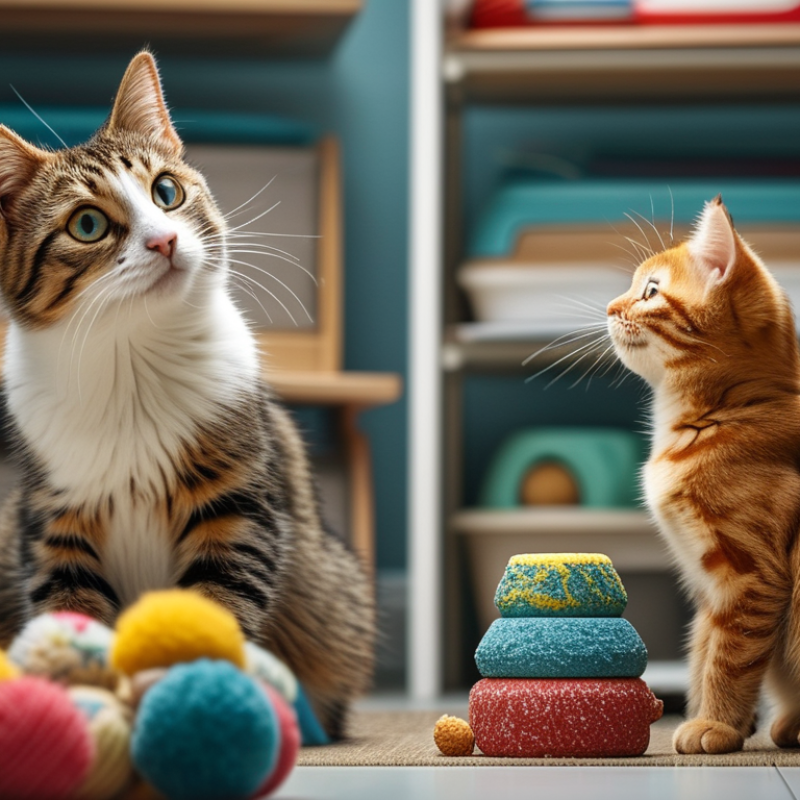
What makes a pet toy engaging is not noise alone. A pet usually responds to a mix of movement, texture, scent, and achievable challenge. I have seen dogs ignore a loud toy but follow a soft rolling object across the floor. Cats often investigate toys that pause, hide, or change direction. These actions resemble natural searching and chasing behaviors.
Good toy design gives pets a reason to continue.
A toy might release a few treats, crinkle under gentle pressure, or move unpredictably when nudged. The challenge should remain manageable. If a pet fails repeatedly, interest can quickly become frustration. If success comes instantly, boredom may follow. Size, weight, and texture also matter. A small dog may struggle with a heavy object, while a determined chewer may destroy thin material within minutes. Supervised play helps owners notice these differences early.
I once assumed the most complicated toy would be the most engaging. That assumption was wrong. One simple fabric ball became a favorite because it smelled familiar and rolled unevenly. Still, preferences are individual, not guaranteed. Watch the pet’s body language: focused eyes, relaxed movement, repeated returns, and playful pawing suggest interest. Walking away may signal confusion, discomfort, or simple boredom. Engagement can also change with age, energy, and environment. A toy that works indoors may fail in a noisy yard. Reliable choices come from observing the animal, adjusting difficulty, and replacing damaged parts promptly.
A pet toy becomes engaging when it speaks to an animal’s senses and instincts. In my experience observing indoor cats and dogs, movement often wins attention before color does. A feather-like texture can invite stalking, while a firm rubber surface may satisfy chewing needs. Smell matters too, especially for dogs. New scents can turn an ordinary object into a small investigation. Still, preference varies widely. One cat may chase a rolling ball; another may inspect it once and walk away.
Animal behavior research commonly links play with predatory sequences: orienting, chasing, grasping, and biting. Toys that offer changing feedback can support these natural patterns. A puzzle toy, for example, may reward persistence through scent, texture, or hidden movement. However, more stimulation is not always better. Loud sounds can alarm sensitive animals, and rapid motion may frustrate pets with limited mobility. I check for loose parts, sharp edges, and washable materials before allowing supervised play. Safety guidance should come from veterinary or animal behavior professionals, not casual online claims.
My own choices are sometimes wrong. I once assumed a strongly scented toy would be exciting, but the animal avoided it for days. That reaction reminded me that familiarity can matter more than novelty. A quiet toy may suit a cautious pet, while a crinkling one may engage a curious explorer. Watch body language: relaxed posture, repeated returns, and focused play suggest comfort. Flattened ears, frantic biting, or sudden withdrawal suggest a pause. Preferences can change with age, health, and household stress.
Pet toys become engaging when they imitate a small, moving target. A rolling ball changes direction unexpectedly. A tug toy resists, then gives way. These movements invite pets to chase, stalk, pull, or carry, rather than simply stare.
Sound adds another layer. A soft squeak can signal movement, while gentle crinkling may encourage investigation. However, loud or repetitive noise can create stress, especially for noise-sensitive animals.
Texture matters too. A ridged rubber surface gives dogs a stronger chewing response. A fabric toy offers a different grip and mouthfeel. For cats, varied surfaces can support pawing, biting, and scent exploration.
The American Association of Feline Practitioners and International Society of Feline Medicine recommend opportunities that reflect natural hunting behaviors.
The market’s scale shows why enrichment deserves careful attention. The APPA 2023–2024 National Pet Owners Survey reported that 66% of U.S. households owned a pet. The PDSA 2024 Animal Wellbeing Report estimated 11.1 million pet dogs and 11.7 million pet cats in the UK.
These figures show demand, not proof that every toy works. That distinction matters. In practice, observe the details: Does the dog pause before pouncing? Does the cat return after one minute?
Rotate toys instead of leaving everything available. My own assumption that louder toys work better is probably too simple. Engagement depends on movement, sound, texture, temperament, and the animal’s daily environment.
Why Are Some Pet Toys More Engaging?
Novelty and challenge help pets stay mentally active. A toy that changes movement, texture, or access can invite repeated investigation. Dogs may enjoy a puzzle that releases small food portions. Cats often respond to toys that imitate uncertain prey movement. The result is not always predictable.
The American Pet Products Association’s 2023–2024 National Pet Owners Survey estimated that 66% of U.S. households owned a pet, representing about 86.9 million homes. This large population also shows why one toy cannot suit every animal. Behavioral research published in Applied Animal Behaviour Science links exploratory play with changing environments and problem-solving opportunities. Still, novelty can lose its effect when it becomes constant. I sometimes overestimate difficulty; a toy can look clever but frustrate a cautious pet. Watch body posture, pauses, and whether the animal returns voluntarily. Engagement should feel active, not forced.
Tips: Rotate a few toys every several days. Change one feature at a time. Begin with easy challenges, then increase difficulty slowly. Supervise new toys for loose parts or damage. Record which textures, sounds, and movements hold attention. APPA’s survey describes ownership, not individual motivation, so treat population data as context rather than proof. That distinction matters.
| Pet Toy Type | Primary Engagement Driver | Novelty Potential | Challenge Level | Active Engagement Pattern | Why Interest Can Be Sustained | Common Reason Interest Declines |
|---|---|---|---|---|---|---|
| Food-Dispensing Puzzle Toy | Problem-solving and food-seeking behavior | High | High | Repeated attempts, manipulation, and reward-focused exploration | Difficulty can be adjusted, and the food location or release pattern can vary | The toy becomes predictable or the difficulty is unsuitable |
| Scent-Based Search Toy | Natural olfactory investigation | High | Medium | Sniffing, searching, pawing, and following scent trails | New scents, changing hiding places, and longer search routes create variation | The scent is too weak, too easy to locate, or used in the same way each time |
| Interactive Chase Toy | Movement, pursuit, and rapid feedback | High | Medium | Chasing, pouncing, batting, and short bursts of focused activity | Unpredictable movement and pauses can imitate the variability of prey behavior | Movement becomes repetitive or the pet cannot complete the chase sequence |
| Treat-Release Ball | Physical manipulation linked to food rewards | Medium | Medium | Rolling, nudging, pushing, and monitoring reward release | Different surfaces, treat sizes, and release rates change the task | Rewards are released too quickly or the toy is difficult to clean |
| Tug and Pull Toy | Social interaction and resistance feedback | Medium | Low | Pulling, gripping, releasing, and re-engaging with a person | Human participation adds social value and allows changes in pace and resistance | Play becomes physically repetitive or lacks responsive interaction |
| Chewable Textured Toy | Oral stimulation and soothing chewing activity | Medium | Low | Chewing, mouthing, carrying, and occasional repositioning | Different textures, shapes, and durable surfaces provide varied sensory feedback | The texture remains unchanged or the toy becomes damaged or less appealing |
| Motion-Activated Toy | Surprise, contingency, and immediate response | High | Medium | Approaching, retreating, batting, watching, and repeated rechecking | Intermittent activation and changing response timing maintain uncertainty | The response is too predictable, noisy, or difficult for the pet to control |
| Rotating Multi-Activity Toy | Choice, sensory variety, and task switching | High | High | Exploring, switching between activities, manipulating parts, and returning later | Multiple interaction routes reduce monotony and allow the pet to choose its preferred task | Too many options create frustration or the most rewarding activity is always the same |
Key insight: Toys tend to hold attention longer when they combine manageable challenge, variable outcomes, sensory richness, and opportunities for the pet to influence what happens next.
Pet engagement depends on species, age, and personality. Dogs often investigate toys through scent, chewing, carrying, and chasing. Cats usually respond to movement, texture, and opportunities to stalk. The American Pet Products Association’s 2023–2024 National Pet Owners Survey estimates 65.1 million U.S. households own dogs, while 46.5 million own cats. These populations are not interchangeable. A rolling toy may excite a young terrier but frighten a cautious cat.
Age changes play intensity. Puppies and kittens often need short, safe sessions because their attention shifts quickly. Senior pets may prefer softer toys, slower movement, and gentle food puzzles. Veterinary behavior research links predictable enrichment with reduced boredom, but the response varies widely. Personality matters too. A confident, energetic dog may repeatedly retrieve a toy. A shy animal may watch from under a chair first. That is still engagement, though I sometimes expect too much too soon.
Tips: Offer two or three toy types, then observe closely. Watch for relaxed posture, repeated approaches, and natural play signals. Rotate toys every few days. Stop if chewing becomes frantic or frustration rises. The PDSA Animal Wellbeing Report emphasizes meeting individual welfare needs, not simply providing more products. Keep a simple note: species, age, toy texture, play time, and reaction. Your first choice may fail. That failure is useful information.
: Movement often attracts attention before color. Feather-like textures may invite stalking. Firm rubber can support chewing. Preferences still vary widely between animals.
Engaging toys may support orienting, chasing, grasping, and biting. Rolling objects can trigger pursuit. Soft prey-like shapes may encourage carrying or gripping. Not every animal completes the sequence.
New scents can turn a toy into a small investigation. A dog may sniff, circle, and inspect it repeatedly. Strong smells can also cause avoidance. I once misjudged this.
Novelty can encourage repeated investigation. Change movement, texture, or access. Do not change everything at once. Constant novelty may become tiring.
Begin with an easy challenge. Increase difficulty slowly. A hidden reward should feel discoverable, not impossible. I sometimes choose puzzles that are too difficult.
Look for relaxed posture and repeated voluntary returns. Focused play usually appears steady and purposeful. A pet may pause, then approach again. That pause still deserves attention.
Flattened ears, frantic biting, or sudden withdrawal suggest discomfort. Loud sounds may alarm sensitive animals. Rapid movement can frustrate pets with limited mobility. Pause immediately.
Inspect loose parts, sharp edges, and visible damage. Choose washable materials when possible. Supervise the first sessions closely. For specific safety advice, consult a veterinary or animal behavior professional.
What makes a pet toy engaging is its ability to match an animal’s natural senses, instincts, and individual preferences. Movement can trigger chasing or pouncing, sounds may encourage investigation, and varied textures can support chewing, pawing, or gentle exploration. Toys become more appealing when they offer a small challenge, such as hiding a reward or requiring simple problem-solving, while safe and varied designs help prevent boredom. These elements explain how to make pet toys more engaging without relying on complexity.
Engagement also depends on the pet’s species, age, energy level, and personality. Young animals may prefer active play and frequent novelty, while older pets may enjoy slower movement, softer textures, or easier challenges. Curious pets often respond well to changing patterns and surprises, whereas cautious pets may need familiar shapes and gradual introductions. Rotating toys, adjusting difficulty, and observing the pet’s reactions can help maintain interest while keeping play enjoyable, appropriate, and safe.
