Cats are known for their whimsical behaviors and quirky preferences. This brings us to a fascinating question: why do cats ignore expensive toys that we buy? This phenomenon can leave pet owners scratching their heads, as they often invest considerable time and money into selecting the perfect playthings for their feline friends.
Cats have unique senses and specific needs that differ from human expectations. A flashy toy with all the bells and whistles might not be appealing. Many cats are attracted to simple items, like boxes or crumpled paper. This raises the need for pet owners to reflect on what truly engages their pets.
Understanding cat behavior requires a genuine insight into their instincts. Many toys fail to tap into a cat's natural hunting instincts. Instead of elaborate designs, cats often prefer soft textures and movements that mimic prey. Engaging with these simpler forms can be far more fulfilling for them. The question remains—why do cats ignore expensive toys? The answer lies in their unpredictable nature and individual preferences.
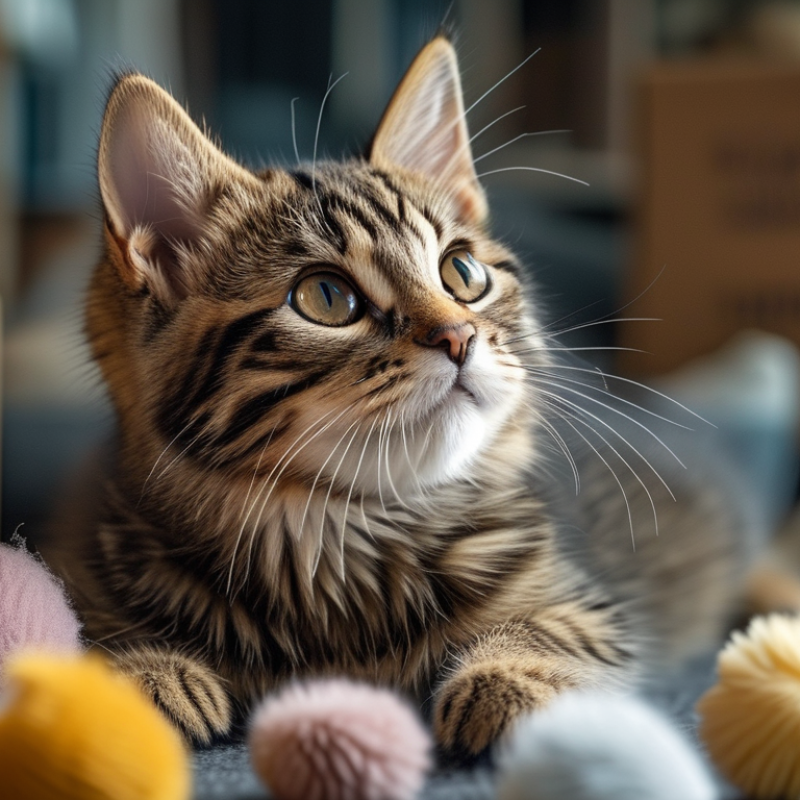
Cats are peculiar creatures, and their play behavior often puzzles their owners. When faced with expensive toys, many cat owners wonder why their pets seem indifferent. The essence of feline play is rooted in their instincts. Cats are natural hunters, and they thrive on stimulation that replicates their hunting experiences. This means that a simple cardboard box or a crumpled piece of paper may spark more interest than a lavish toy.
Felines engage in play as a way to sharpen their skills and relieve boredom. Their play behavior often mimics real-life scenarios—stalking, pouncing, and batting. When toy designs do not align with these natural instincts, cats may lose interest. They might prefer items that move unpredictably or mimic prey. A moving shadow can be far more captivating than a flashy, expensive toy.
Some cat owners might feel frustrated by their pet’s lack of interest in costly items. This could indicate a deeper need to understand your cat's preferences. Observing what truly excites your cat can foster bonding. It encourages more meaningful interactions. Embracing their unique play patterns can lead to more fulfilling experiences for both cats and their owners.
Cats possess natural instincts that often override our attempts to engage them with expensive toys. A study published in the Journal of Feline Medicine and Surgery reveals that cats prefer interactive play, which simulates hunting behavior. Toys that mimic prey movements, like feathers or small balls, tend to attract their attention more effectively than pricey novelty items.
While we may gravitate toward flashy toys, cats tend to gravitate toward what feels natural. About 70% of cat owners report their pets ignore store-bought toys in favor of everyday items. Cardboard boxes and crumpled paper can provide ample stimulation. These findings suggest that cats find fulfillment in simplicity, reflecting their ancestral need to explore and hunt for survival.
The challenge lies in recognizing these preferences. Cats often show a hierarchy of play, favoring items that allow them to stalk, pounce, and bat around. It highlights an important lesson for pet owners: sometimes, the best playthings are the ones we least expect. Observing a cat’s reactions can help refine our understanding of their true play preferences. This requires patience and a willingness to learn from our feline companions.
Cats can be quite selective when it comes to their toys. Often, expensive toys sit untouched while simple items captivate them. What drives this behavior? Several factors influence a cat's engagement with toys.
One key factor is texture. Cats are sensitive to how things feel in their paws and mouths. A soft, squishy ball may attract more interest than a shiny, mechanical toy. Sounds also play a role. Toys that mimic the noises of prey, like crinkling or squeaking, may stimulate hunting instincts more effectively than silent ones.
Another aspect is novelty. Cats often prefer new experiences. A cardboard box might provide more excitement than an expensive plush mouse that sits in the toy box for months. Environmental factors, like the cat's mood or the surrounding activity level, also affect engagement. Sometimes, it's simply about the context. A toy might be more appealing when it is offered at the right moment. These considerations can help explain why many cats seem to ignore pricier options. Understanding their unique preferences can lead to more fulfilling playtime.
Cats often seem indifferent to the expensive toys we buy them. They may show more interest in simple items like cardboard boxes or crumpled paper balls. This raises the question of why this happens. One reason could be that cats are instinctively attracted to the hunt. Simple toys often mimic the movement of prey. They can be pushed, chased, and pounced upon.
When selecting toys, consider the materials and movement. Toys that mimic natural prey behavior are more likely to capture your cat's attention. Experiment with different shapes and textures. Cats may prefer toys that are easy to manipulate. Additionally, using household items can sometimes spark more joy than elaborate toys.
A key observation is the simplicity of play. Cats enjoy exploring their environment and engaging in activities that stimulate their instincts. Let them engage with everyday objects like paper or string. This can lead to hours of entertainment. Cats appreciate variety, so rotate their toys frequently. This keeps their interest alive and encourages active play.
Cats have a unique approach to play. When we invest in expensive toys, we expect our feline friends to be thrilled. However, many times they simply ignore them. This behavior can be perplexing to cat owners. The reality is that cats often have different preferences than we assume.
Human expectations can greatly influence how we perceive their play choices. We may expect our cats to engage with glittering toys, yet they may prefer crumpled paper or a simple cardboard box. This discrepancy highlights our misunderstanding of feline behavior. Cats are instinctual hunters. They are often more attracted to the movement and texture of simple objects rather than elaborate designs.
Moreover, it's important to reflect on their environment. A new toy can cause stress, rather than excitement, in a cat's world. Sometimes, they just need time to adjust or to explore new items at their own pace. Learning to observe their interests can redirect our expectations. Embracing their quirks leads to a better understanding of their play decisions. It’s okay to feel let down, but what about engaging with your cat's true preferences?
: Cats are natural hunters. Simple items like cardboard boxes mimic their instincts better than expensive toys.
Cats respond to texture and sounds. Soft toys or those making prey-like noises catch their attention more effectively.
Cats enjoy novelty. Old toys may lack excitement compared to new, or simple items that provide fresh stimulation.
A cat’s mood or surrounding activity levels impact their engagement. Context matters in determining toy appeal for them.
Owners often expect cats to enjoy elaborate toys, but cats may find joy in simpler, instinctual items instead.
Yes, new items might overwhelm some cats. They require time to adapt and feel comfortable with new toys.
Understanding what excites a cat fosters meaningful interaction, leading to more fulfilling play experiences for both.
No, expensive toys do not ensure engagement. It’s essential to understand and respect a cat's unique preferences.
Accepting their play style can lead to enriched experiences. It promotes better bonding and understanding of feline behavior.
Reflecting on your cat’s interests can redirect expectations and enhance playtime satisfaction for both the owner and the cat.
In exploring the question of "why do cats ignore expensive toys," it's essential to understand the nature of feline play behavior, which is often driven by instinctual preferences rather than the monetary value of the toys. Cats are natural hunters, and their play often mimics hunting behaviors, favoring simple toys that engage their innate instincts over elaborate, pricey options.
Several factors influence toy engagement, including texture, movement, and novelty, which can often be found in DIY or simpler toys. Additionally, human expectations can play a significant role in shaping a cat's play choices; pet owners may assume expensive toys will captivate their cats, but in reality, felines may find more satisfaction in items that align with their natural behaviors and preferences. This disconnect highlights the importance of understanding cat psychology when selecting toys.
