Understanding why dogs guard their toys is essential for pet owners. Dr. John McCarthy, a renowned animal behaviorist, insightfully notes, “Toy guarding is a natural instinct for many dogs.” They protect what they consider valuable, much like we value our possessions.
Typically, dogs may be possessive due to past experiences or learned behaviors. For instance, a rescue dog might have faced competition for resources. Such history could trigger protective instincts over toys. When you ponder “why does my dog guard his toys,” consider his background and temperament. It’s crucial to observe his unique reactions.
Moreover, training and socialization play significant roles in reducing this behavior. You may need to reflect on your approach as an owner. While it's normal for dogs to guard toys, creating a healthy boundary between play and ownership is vital. Understanding and addressing this behavior will not only enhance your bond but also ensure your dog’s happiness.
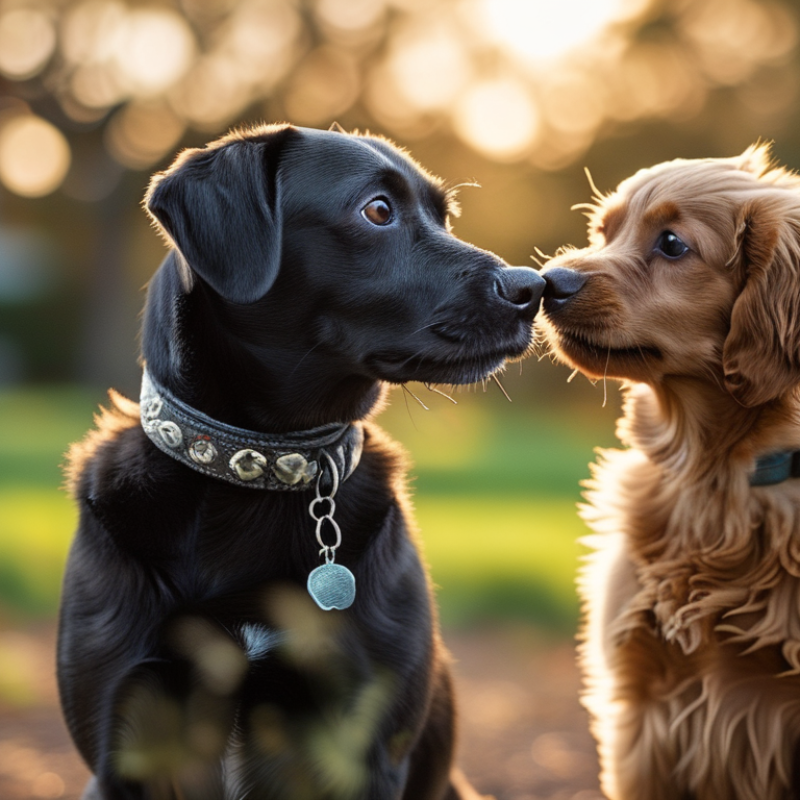
Dogs have a strong instinct to guard their toys, which is rooted in their ancestral behaviors. In the wild, dogs would often protect their resources, including food and toys, to ensure survival. This instinctual behavior helps them feel secure. According to a study conducted by Animal Behavior Science, over 60% of dog owners report that their pets show possessive behavior towards toys. Such behavior can manifest as growling, snapping, or even hiding toys away from family members or other pets.
Understanding this behavior is essential for dog owners. Dogs may see their toys as a source of comfort or security. For some breeds, like guarding breeds, this instinct is even stronger. A report from the American Kennel Club indicates that certain dog breeds, such as Rottweilers and German Shepherds, are more likely to exhibit toy guarding behavior. This can create challenges in a multi-pet household. Owners need to approach the situation carefully and consider ways to work with their dogs, rather than against their instincts.
We should encourage healthy play and sharing habits in dogs. Offering your dog a designated space for their toys can help ease possessiveness. Training dogs to "drop it" or "leave it" can also be effective. However, it may take time and patience. The key is to build trust. Each dog is unique. Observing their behavior and understanding their needs is crucial for a harmonious environment.
| Behavior | Possible Causes | Training Tips | Recommended Strategies |
|---|---|---|---|
| Toy Guarding | Natural instinct to protect resources | Teach "Leave it" command | Gradual desensitization to toy proximity |
| Growling or Snapping | Fear or anxiety over toy loss | Positive reinforcement for calm behavior | Reward sharing and trading games |
| Protective Posture | Instinctive behavior from ancestors | Manage toy access with structured play | Supervised interactions with other dogs |
| Refusal to Share | Possessiveness over valued items | Teach "Drop it" with rewards | Alternating toys to promote sharing |
: Dogs guard toys due to ancestral instincts related to resource protection. This behavior can create anxiety around sharing.
Signs include growling, barking, or snapping when someone approaches their toys. Awareness of these signs is essential.
Start by desensitizing them to others near their toys. Use treats to reinforce calm behavior during interactions.
Socialization is crucial. Positive experiences with other dogs can significantly reduce guarding behaviors over time.
It helps change a dog's emotional response. Rewarding them for calm behavior encourages trust and reduces anxiety around toys.
Yes, but patience is key. Some dogs may take longer to adjust, and each dog is unique in their responses.
This technique involves encouraging dogs to give up toys for higher-value rewards. Caution is necessary as some dogs may react negatively.
Observe their reactions closely. Adjust the training approach as needed, recognizing that progress takes time.
Some dogs may require more time to adjust. Consistency and patience are essential for long-term success in training.
Yes, certain techniques may increase anxiety. Always monitor your dog’s behavior and adapt your methods accordingly.
Understanding why dogs exhibit guarding behaviors over their toys is essential for pet owners. The instincts behind this behavior often stem from ancestral traits related to resource guarding, where dogs feel the need to protect their possessions. Common signs of toy guarding include growling, snapping, or positioning their body to block access to their toys. Statistics show that certain breeds are more prone to this behavior, highlighting the importance of awareness among dog owners.
To address the question of "why does my dog guard his toys," owners can implement effective strategies to encourage sharing and sociable play. Positive reinforcement plays a pivotal role in reducing guarding behaviors, allowing dogs to learn that sharing can lead to rewarding experiences. Through patience and consistent training, it's possible to foster a more cooperative environment for playtime, benefiting both the dog and owner.

 Lawn Pet