Many pet owners ask, “why does my pet only play at night?” The answer often begins with biology, not stubbornness. Cats naturally become more active around dusk and dawn. Their eyes, whiskers, and hunting instincts support movement in dim light.
Dr. John Bradshaw, a respected anthrozoologist and cat behavior expert, explains, “Cats are naturally most active at dawn and dusk.” This pattern can make a quiet home feel suddenly alive. A cat may sprint across the hallway, bat a toy under the sofa, or chase a soft ball beside the bed. Dogs can also become energetic at night, especially after a long day with limited exercise or mental stimulation.
Still, no single explanation fits every pet. I may be overreading one evening of noisy play. Stress, boredom, feeding schedules, and household routines can all matter. A pet left alone for hours may save its energy for nighttime. A sudden change deserves closer attention, especially if it includes whining, pacing, hiding, or unusual aggression.
This guide explores how natural rhythms affect play behavior and how the best pet toys can support healthier routines. Durable puzzle toys, quiet plush toys, and treat-free enrichment can help redirect late-night energy. Choose toys that match your pet’s size, chewing strength, and play style. Inspect them often.
Small changes help. Try a short play session before bedtime, then offer a calm resting space. Track the pattern for several nights. Your pet’s behavior may reveal more than one cause.
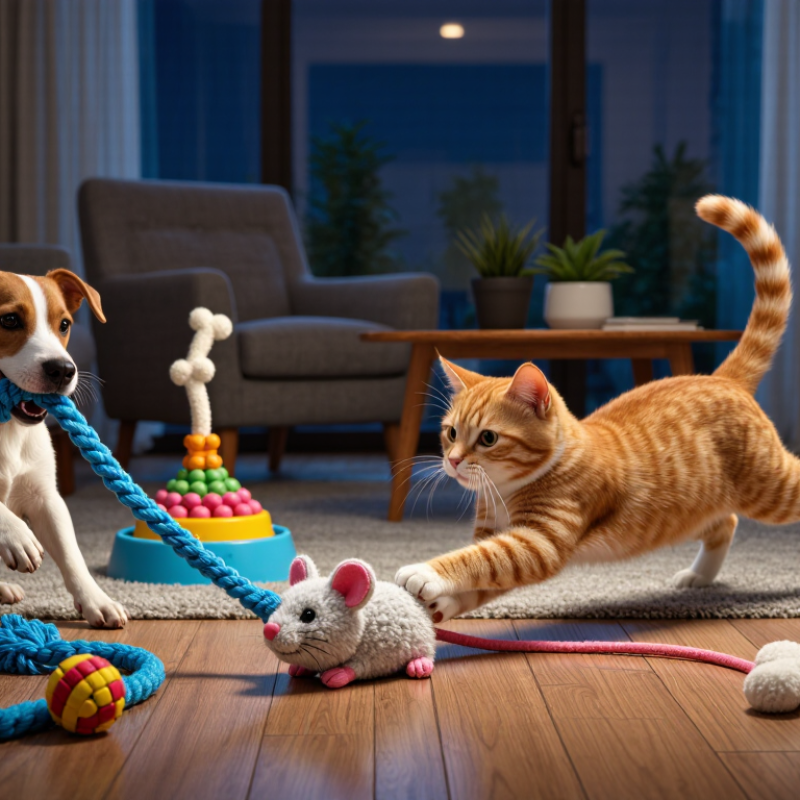
China Best Pet Toys: Why Does My Pet Only Play at Night?
Why Pets May Prefer Playing at Night
Many pets become more active after sunset because the home feels calmer. Fewer footsteps, voices, and sudden movements reduce distractions. Cats naturally follow crepuscular patterns, becoming lively around dawn and dusk. Some dogs also enjoy evening play after resting during the day.
I noticed this with a cat that ignored feather toys at noon. After the lights softened, she chased the same toy across the hallway. Her pupils widened, and her movements became quicker. This change was not simply stubbornness. Lower light can make movement feel more exciting, especially when a toy moves unpredictably.
Pet owners should watch the daily pattern before changing it. Offer short play sessions near the pet’s active period. Use toys that match natural behaviors, such as chasing, pouncing, tugging, or searching. Rotate them carefully. Too many toys can reduce interest.
Safety still matters at night. Keep strings, small parts, and damaged materials away after play. Check the floor for obstacles, especially near stairs. Quiet puzzle toys may suit late hours better than noisy objects. Veterinary behavior guidance also supports predictable routines and positive interaction.
I once assumed nighttime play meant boredom. I was probably wrong. It may reflect energy, instinct, or a peaceful environment. Still, every pet differs. A sudden change in nighttime activity deserves attention, particularly when appetite, sleep, or movement also changes.
China Best Pet Toys: Why Does My Pet Only Play at Night?
A pet that becomes lively after sunset is often following natural instincts, not misbehaving. Cats commonly show crepuscular activity, especially around dawn and dusk. These periods resemble their natural hunting schedule. Dogs may also become playful at night when the household grows quiet. Lower noise can make toys feel more inviting.
I once assumed a cat ignored its toys because they were uninteresting. After watching more carefully, I noticed it preferred chasing a small object across the floor at 10 p.m. Movement mattered more than color. Rotating toys can support curiosity, but each item should match the animal’s size, chewing strength, and play style. Remove damaged parts immediately. Supervised play is safer, especially with strings, feathers, or small pieces.
Daily routines also shape nighttime energy. Long daytime naps, limited exercise, or irregular feeding can shift activity later. Short interactive sessions during daylight may gradually balance this pattern. Use toys that encourage stalking, pouncing, searching, or gentle problem-solving. Avoid forcing play when your pet is tired or hiding. That approach can weaken trust. A sudden change in nighttime behavior deserves attention, particularly with weight loss, restlessness, excessive vocalization, or reduced appetite. A qualified veterinarian can help distinguish instinctive activity from pain, stress, or illness. My earlier assumption was too simple. Observation should come before buying more toys.
Natural activity rhythms differ by species. Cats and rabbits are commonly most active around dawn and dusk, while dogs generally show stronger activity during daytime hours. The chart uses a relative activity index from 0 to 100 to compare typical daily patterns.
A pet that plays mainly at night may be following its natural circadian rhythm, especially if it is a cat or rabbit. Individual age, health, household lighting, feeding times, and enrichment can also change activity levels.
Nighttime play often begins with the environment, not stubborn behavior. A quiet room can feel safer after household sounds disappear. Dim lighting may also encourage cats and some small pets to explore.
I have seen pets ignore a toy beside the television, then chase it near midnight. Their routine matters too. If play happens after dinner, the habit can become a daily signal. Feeding, resting, and human activity shape this pattern. However, nighttime activity can also reflect boredom, stress, or discomfort. A sudden change deserves attention from a qualified veterinarian. I once assumed a pet was simply energetic, but a warmer sleeping area changed its behavior. That mistake reminded me to observe before choosing another toy.
Keep two or three safe toys available, and rotate them every few days. Place one near a quiet corner, away from food and litter. Use gentle movement during evening play, then reduce stimulation before bedtime. Watch for broken parts, sharp edges, or swallowed pieces. Never leave unfamiliar toys unsupervised. Record play times for one week. Patterns are easier to notice on paper. If your pet seems restless, vocal, painful, or unusually withdrawn, seek professional advice.
China Best Pet Toys: Why Does My Pet Only Play at Night?
Choosing the best pet toys for nighttime activities in China starts with understanding your pet’s routine. Cats often become active at dusk and dawn. Dogs may play at night because the home feels cooler and quieter. In my experience, a pet that ignores toys during the day may simply need less noise and fewer distractions. Still, sudden nighttime activity can reflect stress, boredom, or discomfort. I once mistook restless pacing for playful energy.
For apartment living, choose quiet toys with soft edges and secure stitching. Treat puzzles, fabric balls, and slow-feeding toys can keep pets engaged without disturbing neighbors. For cats, lightweight rolling toys and sturdy interactive boards encourage natural hunting movements. Avoid loose strings, tiny parts, and removable batteries. Check the material label, production information, and cleaning instructions before buying. Products suitable for indoor pets should also tolerate repeated washing and chewing.
Test the toy during the evening while supervising closely. Watch for cracked plastic, torn fabric, or swallowed pieces. A dim room may make bright colors less useful, while gentle texture can matter more. In China’s humid summers, toys that dry quickly help reduce odor and surface buildup. My judgment is not perfect; some pets reject carefully chosen toys. Try one change at a time, record what happens, and remove anything that causes frustration or unsafe chewing.
China Best Pet Toys: Why Does My Pet Only Play at Night?
Night play is often normal, especially for cats. Their natural activity peaks around dawn and dusk. The AAFP and ISFM feline guidelines describe this crepuscular rhythm clearly. Dogs may also become active at night when daytime exercise is limited. The 2023–2024 APPA National Pet Owners Survey reports that 66% of U.S. households own a pet. Many families therefore manage different sleep patterns at home. My own mistake was assuming every noisy night meant boredom. Sometimes, it reflected routine, stress, or unfinished energy.
Safe management starts with a predictable evening schedule. Offer supervised play before bedtime, then provide a small meal or calm interaction. Choose toys without loose threads, sharp edges, or detachable pieces. Remove wand toys and small parts after play. Inspect chew items often. A damaged toy can become a choking risk. Keep the sleeping area quiet, cool, and free from unstable furniture. Avoid punishment. It can increase fear and make nighttime behavior harder to understand. If night activity suddenly increases, contact a veterinarian. Pain, thyroid disease, anxiety, or age-related confusion may be involved.
Tips: Try ten minutes of gentle play, followed by food and dim lighting. Record the time, toy, and behavior for one week. This simple log may reveal a pattern. I would not promise instant results. Some pets need gradual changes. If your pet pants, cries, hides, or repeatedly crashes into objects, seek professional advice promptly.
Practical, species-aware guidance for understanding and safely managing nighttime activity
| Observation or Factor | What It May Mean | Evidence-Based Context | Safe Support Strategy | When to Seek Veterinary Advice |
|---|---|---|---|---|
| Nighttime bursts of running or chasing | Normal activity peaks, especially in cats and young pets | Cats are naturally most active around dawn and dusk. Puppies and kittens also have immature sleep–wake patterns and high energy needs. | Provide interactive play earlier in the evening, followed by a calm meal or enrichment activity. Keep the routine consistent. | Ask a veterinarian if the behavior starts suddenly, becomes frantic, or is accompanied by confusion, weakness, pain, or breathing changes. |
| The pet sleeps for much of the day | Daytime rest may shift play and exploration into the evening | Adult cats commonly sleep about 12–16 hours per day; dogs often sleep about 12–14 hours, with puppies, kittens, and some older animals sleeping more. | Use age-appropriate exercise, training, scent games, and food puzzles during the day. Do not deliberately deprive a pet of sleep. | Seek advice when daytime sleep increases noticeably or is paired with poor appetite, reduced mobility, weight change, or low responsiveness. |
| Attention-seeking at bedtime | The pet may have learned that nighttime play produces interaction | Behaviors that are consistently rewarded with talking, chasing, feeding, or play are more likely to recur. | Reward calm behavior before bedtime. Avoid turning nighttime interruptions into exciting games, while still responding to genuine toileting or medical needs. | Consult a veterinarian or qualified behavior professional if vocalization or restlessness is persistent and difficult to manage. |
| Noisy toys or toys with loose parts | The toy may create choking, swallowing, entanglement, or noise risks | Small parts, damaged seams, strings, ribbons, batteries, magnets, and detachable components can cause serious injuries or intestinal obstruction. | Choose toys larger than the pet’s mouth, inspect them frequently, remove damaged items, and store high-risk toys after supervised play. | Contact a veterinarian urgently after suspected swallowing, repeated vomiting, gagging, abdominal pain, or inability to pass stool. |
| String, ribbon, or wand-style toys | Highly engaging for cats but unsafe when left unattended | Linear foreign bodies can become anchored and damage the digestive tract if swallowed. | Use only with direct supervision. End the session by putting the toy away in a closed container. | Treat string ingestion as urgent, even if the pet initially appears normal. Do not pull visible string from the mouth or rectum. |
| Pacing, panting, or inability to settle | Possible stress, overheating, pain, or illness rather than simple playfulness | Restlessness can have behavioral or medical causes, including discomfort, anxiety, urinary problems, or age-related cognitive changes. | Provide fresh water, a quiet resting area, comfortable temperature, and a predictable bedtime routine. Do not punish the behavior. | Arrange prompt veterinary evaluation if the signs are new, intense, recurrent, or accompanied by pain, vomiting, collapse, or breathing difficulty. |
| Older pet becomes active or vocal at night | Possible sensory decline, anxiety, pain, or cognitive dysfunction | Nighttime wandering and vocalization in senior animals can be associated with medical conditions and should not automatically be labeled as bad behavior. | Keep furniture and resources consistent, add gentle lighting, maintain regular toilet breaks, and use low-impact enrichment. | Schedule a veterinary check, particularly when the change is gradual, progressive, or accompanied by house-soiling or disorientation. |
| Toy choice for nighttime use | A quiet, durable, size-appropriate toy is generally safer than an unattended interactive toy | Toy safety depends on the animal’s size, chewing style, age, supervision level, and the toy’s condition—not simply its label or material. | Select a toy that cannot be swallowed whole, has no accessible batteries or magnets, and remains intact under normal use. Follow the manufacturer’s safety instructions. | Replace any toy that becomes cracked, shredded, unusually small, or difficult to clean. |
| A practical evening routine | Helps align activity, feeding, and rest without suppressing normal behavior | Consistent routines can support predictability and make it easier to distinguish normal play from a sudden behavioral change. | Use a sequence such as exercise or interactive play, a short calm-down period, a meal or approved enrichment, toilet access, and quiet sleep space. | If a well-established routine does not help after several weeks, document the timing and triggers and discuss them with a veterinarian. |
Cats often become lively around dusk and dawn. These periods match natural hunting rhythms. Dogs may play more when the home becomes quiet.
Not always. It may reflect instinct, daytime naps, limited exercise, or stress. I once assumed boredom too quickly.
Choose toys that support chasing, stalking, searching, or gentle problem-solving. A small moving object may attract more interest than bright colors.
Supervise play with strings, feathers, and small parts. Remove loose pieces immediately. Inspect chew toys for cracks or damage.
Try ten minutes of gentle play before bedtime. Follow it with a small meal and dim lighting. Changes may take time.
No. Avoid play when your pet is hiding or tired. Forced interaction can weaken trust. Patience works better.
Sudden restlessness, weight loss, reduced appetite, or excessive vocalization deserve attention. Panting, crying, hiding, or repeated collisions are also concerning.
Record the time, toy, food, and behavior for one week. A simple log may reveal a pattern. My earlier assumption was too simple.
Many pet owners wonder, “why does my pet only play at night?” This behavior is often linked to natural instincts, energy levels, and individual activity patterns. Some pets are more alert during quiet evening hours, while others may sleep during the day because of household noise, limited interaction, or a routine that encourages nighttime activity. Changes in lighting, temperature, and the surrounding environment can also influence when a pet feels comfortable playing.
For pet owners in China, choosing suitable toys for nighttime activities means considering safety, durability, size, and noise level. Soft, lightweight, interactive, or low-noise toys can help pets stay engaged without disturbing the household. A consistent daily routine, regular daytime exercise, and calm evening play sessions may gradually balance activity patterns. Always supervise play when necessary, inspect toys for damage, and provide a safe, comfortable space so nighttime activity remains healthy and enjoyable.
