Understanding why is my cat afraid of new toys can be a puzzling experience for pet owners. Cats, by nature, are creatures of habit and can be sensitive to changes in their environment. New toys introduce novelty that may feel threatening to them. This instinctive wariness often stems from their natural survival instincts.
When faced with unfamiliar objects, a cat might retreat or display signs of stress. You might notice your feline friend hiding, staring, or even swatting at the toy. Such reactions can be frustrating, especially when you want them to enjoy their new playthings. It's important to recognize that this fear is not a reflection of your cat's character but rather a response to their instinctual behaviors.
Observing your cat’s initial reaction can inform you about their comfort level. Sometimes, engaging them slowly with the new toy or incorporating it into familiar surroundings can help ease their apprehension. In the end, patience and understanding are vital in helping your cat become accustomed to their new toys.
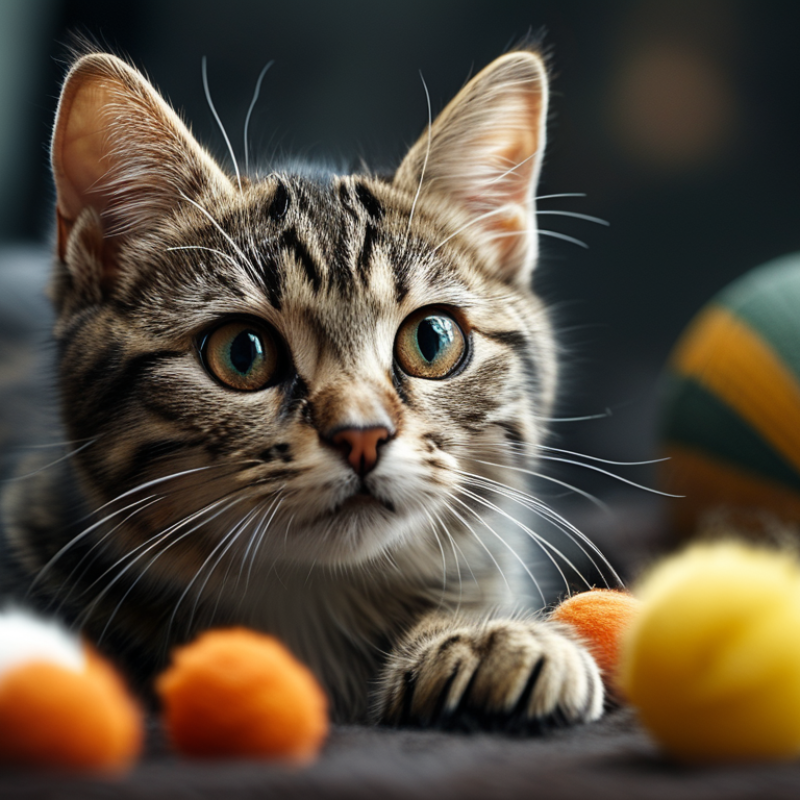
Common Psychological Triggers Making Cats Fearful of New Toys
Cats are creatures of habit. When they encounter new toys, their natural instincts can trigger fear and anxiety. New smells, colors, and shapes can be overwhelming. A bright red toy may seem harmless to us, but to a cat, it could represent a potential threat. Their prey instincts are sensitive, and unfamiliar objects might trigger a fight-or-flight response.
Socialization plays a crucial role in how cats react to new items. Cats that haven't been exposed to various stimuli in their early weeks may show more fear. A kitten raised in a lively environment may approach new toys with curiosity. In contrast, a shy cat might hide. The difference in response often comes down to early experiences and exposure to different environments.
Even with familiar toys, a slight change can cause anxiety. Cats can be creatures of routine. If a beloved toy is moved or changed, it may lead to confusion and stress. Cats may need time to adjust. Observing their reactions can help us understand their fears better. Providing a gradual introduction to new toys can ease their anxiety. It’s important to notice how your cat reacts to ensure their comfort.
Why Is My Cat Afraid of New Toys?
The Role of Scent and Texture in a Cat’s Toy Anxiety
Cats are fascinating creatures, but new toys can trigger anxiety for many. One primary reason is their sensitivity to scent. Cats have an extraordinary sense of smell, far more acute than humans. A new toy might carry unfamiliar scents from factories or other animals, making it daunting. This unfamiliar aroma can lead to hesitation, even fear, when approaching the toy.
Texture also plays a vital role in a cat's reaction. Cats enjoy different surfaces, from soft and plush to rough and crinkly. If a new toy feels strange against their paws, it may evoke discomfort. Cats are creatures of habit, and a deviation from their preferred textures can be unsettling. Observing your pet’s body language is crucial here. A stiff posture or ears pinned back indicates anxiety.
Experiences vary widely among cats. Some might quickly warm up to new toys, while others may take longer. Reflecting on this diversity requires patience. If your cat remains wary, consider using toys that have familiar scents, or try gradually introducing new textures. Understanding individual preferences can strengthen the bond between you and your feline friend.
Understanding the Impact of Past Experiences on Toy Reactions
Understanding your cat's reaction to new toys often requires delving into their past experiences. Cats are sensitive creatures, and their previous encounters can shape their behavior significantly. A toy that seems harmless to us might trigger a memory of a frightening situation for your cat. For instance, if a loud noise frightened them during a play session with another toy, they may associate that sound with all new toys.
Moreover, cats have unique personalities. Some may be more curious, while others might be inherently cautious. A previously abused or neglected cat might view new toys with suspicion. They may fear that these objects could bring unwanted attention or chaos into their lives. It's essential to give them time. Let them explore at their own pace.
Environmental changes can also play a role. A new addition to the household, like a pet or a baby, may heighten their anxiety levels. They could interpret new toys as a threat to their territory or routine. Patience is crucial here. Observe their reactions and gradually integrate toys into their environment. This approach may foster a positive association.
How Different Breeds and Personalities Influence Toy Fearfulness
When addressing how different breeds and personalities influence toy fearfulness, it’s clear that each cat is unique. For instance, some breeds, like the Siamese, are often more curious and willing to explore new toys. Conversely, more timid breeds, such as the Ragdoll, may shy away from unfamiliar objects. This behavior often stems from their natural inclinations and how they were socialized as kittens. Factors like early experiences and genetics play crucial roles in shaping their responses.
Personality traits also contribute significantly. A playful cat might immediately engage with a new toy, while a more reserved one may observe from a distance. Cats may associate toys with a positive or negative experience. This association can foster fear or anxiety. It's essential to acknowledge this when introducing new items.
Tips for easing your cat into new toys include gradual introductions. Start by placing the toy in a familiar area. Allow your cat to approach it at their own pace. Encourage interaction with treats or play. Monitor their reactions closely and be patient. Creating a calm environment helps reduce anxiety. Remember, giving your cat time to adjust is key to fostering comfort and confidence.
Tips for Gradually Introducing New Toys to Anxious Cats
Introducing new toys to an anxious cat requires patience and understanding. Many cats can feel threatened by unfamiliar objects. This fear can stem from a lack of exposure to new items in their environment. To help ease this transition, start by placing the toy in a safe, familiar area. Allow your cat to explore it at their own pace.
Make the toy more enticing by using treats or engaging in play nearby. This helps associate the new item with positive experiences. Engage in short play sessions, gradually increasing the time as your cat becomes more comfortable. Every cat is unique; some may embrace new toys quickly, while others may take longer.
Monitor your cat’s body language during these interactions. If your cat shows signs of distress, such as hiding or excessive meowing, take a step back. It's important not to force playtime if your cat is not ready. Reflecting on your cat’s behavior will help tailor the introduction process. Building trust and confidence can take time but is crucial for a successful bond with new toys.
FAQS
: Cats are creatures of habit. New smells and shapes can overwhelm them, triggering fear.
Cats raised in lively environments may explore new toys. Shy cats might hide due to lack of exposure.
Cats can get confused by changes. Allow them time to adjust to see if their anxiety eases.
Cats have a strong sense of smell. New scents can make toys seem threatening or cause hesitation.
Cats prefer familiar textures. Strange surfaces can evoke discomfort and stress.
Gradually introduce new toys in familiar areas. Let your cat approach them at their own pace.
Breeds have unique personalities. Some are curious, while others may be timid and shy away from new objects.
Look for stiff postures or pinned-back ears. These signals often indicate fear or discomfort.
No, forcing interaction can increase anxiety. Allow your cat to explore at their own pace.
Minimize stressors and provide comfortable spaces. A calm environment helps your cat adjust better.
Conclusion
Understanding "why is my cat afraid of new toys" involves exploring several common psychological triggers that lead to feline anxiety. Factors such as unfamiliar scents and textures can significantly impact a cat's comfort level, causing apprehension towards new playthings. Additionally, a cat's past experiences play a crucial role; negative associations with certain toys can trigger fear responses. Breed characteristics and individual personalities also influence how cats react to new toys, with some breeds being more cautious than others.
To help anxious cats adjust, it's essential to introduce new toys gradually. This can be done by allowing the cat to explore the toy at their own pace, perhaps using familiar scents to make the new item less intimidating. Understanding these factors can help cat owners foster a more positive experience for their pets, ultimately alleviating their fears and encouraging play.

 Lawn Pet