A toy disappears beneath the sofa, inside a blanket, or beside the food bowl. Many owners then wonder, “why do pets hide their toys?” This behavior can look mysterious, but it often reflects instinct, comfort, play, or simple storage. Dogs may bury prized objects because their ancestors protected valuable food and resources. Cats may hide toys because stalking and carrying small “prey” feels natural. Some pets hide toys when the home feels noisy or crowded. Others simply enjoy the search.
Certified applied animal behaviorist Patricia McConnell has written, “Dogs are always doing the best they can with the resources they have.” That idea matters here. A hidden toy is not automatically a sign of anxiety or disobedience. Its meaning depends on body language, daily routine, age, and the toy itself. A relaxed dog may wag, return quickly, and invite a game. A worried pet may guard the object, freeze, growl, or avoid people.
This guide explores why do pets hide their toys through practical behavior clues and product considerations. It also examines how China Top Pet Toy Suppliers can support safer, more engaging play through suitable materials, sizes, textures, and washable designs. A rope toy under a damp cushion can develop an unpleasant smell. A small rubber ball may also create a choking risk for a larger pet. These details are easy to overlook.
Not every hiding habit needs correction. Still, sudden changes deserve attention. Perhaps the explanation is simpler than expected. Perhaps we are missing something. Careful observation remains the most dependable starting point.
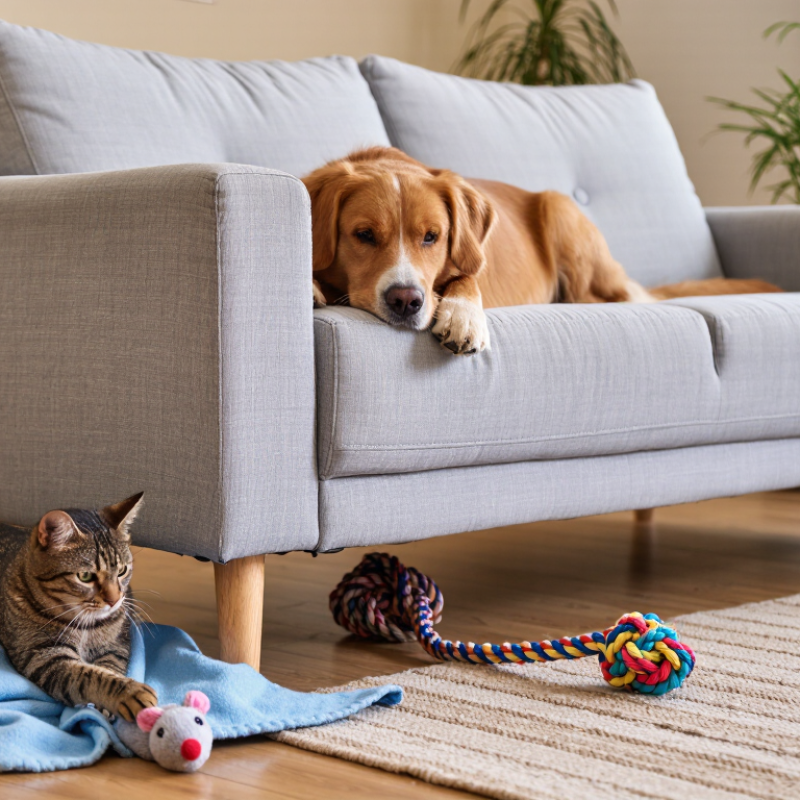
Why Do Pets Hide Their Toys? Common Instincts and Behaviors
Pets often hide toys because instinct still shapes modern home life. Dogs may bury plush toys under blankets, sofas, or laundry. This behavior resembles ancestral food caching. A favorite toy can also provide comfort, especially during quiet periods. Cats may carry small toys away after play. Their movements can mirror parts of the hunting sequence: chase, catch, and secure. The Merck Veterinary Manual notes that resource guarding may involve toys, food, or resting places.
The scale of pet ownership makes these behaviors widely visible. The APPA 2024–2025 National Pet Owners Survey reports about 82 million U.S. households own pets. FEDIAF’s 2024 European industry report counts nearly 299 million companion animals across Europe. These reports measure ownership, not toy hiding. That difference matters. I once assumed every hidden toy showed anxiety. That was too simple. Hiding can reflect play, scent attachment, habit, or competition between pets. Sudden hiding, growling, or refusal to release a toy may need professional advice.
Tips: Observe the hiding place and timing. Offer several safe toys with different textures. Rotate them weekly. Avoid pulling a valued toy away. Trade gently with a treat instead. Remove damaged stuffing, loose parts, or sharp edges. A clean storage basket can support choice without removing the pet’s sense of control.
Relative behavioral tendency on a 1–5 scale, based on commonly documented cat and dog instincts rather than a population survey.
Pets may hide toys because of caching instincts, resource guarding, exploratory play, or a desire to create a secure personal space. Dogs often show stronger food-storage and retrieval behaviors, while cats may hide toys as part of stalking, pouncing, and prey-like play sequences. Individual behavior can also be influenced by age, environment, stress, and the number of available toys.
Dogs often hide toys because possession feels rewarding and secure. A terrier may bury a rubber bone under a blanket, then check it minutes later. This behavior reflects instinct, play, and sometimes a desire to protect valued objects. Some dogs also hide toys when the household feels busy or noisy. Not every hidden toy signals anxiety. Context matters.
Cats usually hide toys for a different reason. Their hunting sequence includes stalking, catching, carrying, and storing prey. A cat may push a small toy behind furniture, especially after active play. It may also prefer dark, quiet spaces for private exploration. Other pets show varied patterns. Rabbits may nudge toys into corners, while parrots often move objects for investigation. Ferrets frequently stash items in bedding. These observations are useful, but imperfect. Individual temperament can change the pattern.
Tips: Offer several safe toys with different textures. Rotate them instead of leaving everything available. Check hidden spaces regularly for damaged parts, loose threads, or swallowed pieces. Choose products with clear material information and age-appropriate sizing from reliable China pet toy suppliers. Observe your pet’s normal behavior before changing its routine. If hiding suddenly increases with chewing, guarding, reduced appetite, or unusual fear, consult a qualified veterinarian. One small detail can matter.
Why Do Pets Hide Their Toys? China Top Pet Toy Suppliers
When a dog pushes a rubber ball beneath a sofa, it may be caching, playing, or seeking control. Cats often hide small toys after mimicking a hunting sequence. Toy hiding can also create a private, predictable space. That detail matters. The APPA 2023–2024 National Pet Owners Survey reports that 66% of U.S. households own a pet. FEDIAF’s 2024 report counts 139.7 million pet-owning households in Europe. These figures show a large enrichment market, but they do not prove that hiding always indicates happiness.
Regular hiding with relaxed posture, normal appetite, and easy play usually suggests comfort. A sudden change deserves closer attention. Frantic searching, growling, excessive licking, appetite loss, or avoiding touch can accompany stress or pain. Veterinary behavior professionals assess several signs together, rather than judging one action alone. Do not diagnose from one sock. Still, owners sometimes interpret every hidden toy as emotional evidence, and that reading can be wrong.
Toy suppliers should support observation, not make medical promises. Products should be durable, washable, size-appropriate, and easy to inspect for loose parts. Rotating two or three toys can reduce boredom and reveal preferences. A simple record helps: note hiding time, body posture, eating, sleep, and recovery after play. The honest answer is incomplete. Toy-hiding habits reveal patterns, not a pet’s entire emotional state.
| Pet and Hiding Pattern | Common Behavioral Explanation | Possible Emotional Signal | Health or Safety Considerations | Recommended Caregiver Response | Evidence Level |
|---|---|---|---|---|---|
| Dog repeatedly buries toys in blankets, bedding, or soft furniture | Dogs may show instinctive caching behavior, especially when a toy is highly valued or when there is an excess of available resources. | Usually reflects normal possession, play, comfort-seeking, or a preference for a secure resting place. | Check that the hiding area is clean and that the dog is not guarding the item aggressively. Sudden resource guarding can be associated with stress or changes in the home. | Provide designated storage blankets or boxes, avoid forcibly taking the toy, and trade for a treat or another toy when removal is necessary. | Well-supported behavioral observation; not a standalone health indicator. |
| Dog hides toys and becomes tense, stiff, growls, or snaps when approached | Resource guarding may occur when a pet perceives a valued object as threatened or expects it to be taken away. | May indicate fear, anxiety, frustration, or a learned defensive response rather than simple play. | Bites can occur if warning signals are ignored. Pain, increased hunger, or environmental stress may intensify guarding behavior. | Do not punish or grab the toy. Increase distance, use positive-reinforcement trading, and consult a qualified veterinary behavior professional if the behavior is escalating. | Strong behavioral evidence; professional assessment is recommended for aggression risk. |
| Cat hides toys under furniture or carries small toys to secluded areas | Cats often prefer quiet, enclosed locations and may move objects as part of stalking, pouncing, and object-play sequences. | Commonly reflects hunting-style play, territorial preference, or a desire for control over the play environment. | Inspect narrow spaces for trapped toys, loose strings, feathers, or small parts that could be swallowed. | Offer interactive play with a safe wand toy under supervision and provide accessible hiding spaces that can be cleaned regularly. | Consistent with normal feline play and environmental preferences. |
| Pet hides a toy only after a household change, move, new person, or new animal | Changes in territory, routine, odor, and social access can alter play and object-storage behavior. | May signal adjustment stress or a need for a predictable retreat, particularly when paired with withdrawal or reduced interaction. | Monitor appetite, water intake, litter-box or toileting habits, sleep, grooming, and activity. Stress can contribute to changes in normal behavior. | Maintain a consistent routine, provide a quiet safe zone, introduce changes gradually, and avoid forcing interaction. | Behavioral interpretation is plausible; context and accompanying signs are essential. |
| Pet suddenly stops playing and hides toys after previously engaging normally | A sudden reduction in play can result from environmental stress, fatigue, fear, or discomfort. | Possible low mood, anxiety, reduced confidence, or loss of interest; behavior alone cannot distinguish emotional and physical causes. | Pain, dental disease, illness, or mobility problems can reduce play. Seek veterinary advice when the change is persistent or accompanied by other symptoms. | Record when the change began, check for household triggers, offer low-pressure play, and arrange a veterinary examination if normal behavior does not return. | Important clinical observation, but nonspecific. |
| Pet hides toys but continues to eat, sleep, groom, and play normally | Consistent toy hiding is often an individual preference or a normal species-related behavior. | Usually indicates comfort with the environment rather than distress. | Routine monitoring is generally sufficient, provided the toy is intact, appropriately sized, and free from detachable or ingestible parts. | Allow safe storage behavior, rotate toys to reduce boredom, and inspect toys regularly for damage. | Generally normal when stable and unaccompanied by warning signs. |
| Pet hides, chews, or swallows pieces of toys | Some pets investigate objects through chewing, while boredom, oral needs, or inadequate toy durability may increase destructive use. | May reflect stimulation-seeking, frustration, or normal exploratory behavior. | Ingested fabric, stuffing, plastic, rubber, string, or squeaker components can cause choking or gastrointestinal obstruction. | Choose a suitable size and material, supervise chewing, remove damaged toys immediately, and contact a veterinarian promptly if ingestion is suspected. | Strong safety evidence; ingestion may require urgent veterinary attention. |
| Pet hides toys in food bowls, water areas, or litter/toileting spaces | Object placement can reflect caching, scent-marking, exploratory behavior, or a preference for specific locations. | Usually not emotional distress by itself, but repeated changes in location may reflect environmental instability or increased arousal. | Keep toys away from contaminated areas and clean bowls or litter equipment after contact. Watch for changes in drinking, eating, or toileting. | Relocate the toy calmly, clean the area, and provide a separate storage option near the pet’s resting or play zone. | Limited direct evidence; interpretation depends heavily on context. |
Choosing safe toys from China’s top pet toy suppliers requires more than comparing prices. Start with the toy’s material, construction, and intended use. Ask suppliers for material specifications, test reports, and batch-level quality records. Reliable suppliers should explain how they control dyes, adhesives, stitching, and small detachable parts. Clear answers matter.
Inspect a sample before placing a large order. Check for sharp edges, loose threads, strong chemical odors, weak seams, and pieces that could break during chewing.
Match the toy to the pet’s size, age, bite strength, and play style. A soft plush toy may suit a gentle puppy, but not a powerful chewer. No toy is completely risk-free.
Tips: Request samples from different production batches. Confirm traceability and packaging information. Ask how rejected products are handled. Use independent testing when documents seem incomplete.
Observe pets during initial play, even with familiar designs. I once underestimated seam strength during a basic review; that small detail changed my inspection checklist. Suppliers may provide excellent paperwork, yet physical checks still reveal problems. Safety decisions should combine documents, product testing, and practical observation. Some assessments remain uncertain, especially when usage conditions vary. That is why careful records and honest supplier communication are essential.
Hiding a toy is often normal, especially for dogs with strong storing instincts. A pet may push a rubber ball beneath a blanket, then check it minutes later. This behavior can reflect play, security, or simple enjoyment. The 2023–2024 APPA National Pet Owners Survey reports that 66% of U.S. households own a pet. That scale makes everyday behavior worth understanding, not guessing.
Watch for guarding, growling, frantic digging, or repeated searching. Use calm exchanges, not punishment. Offer a second toy and reward release with a small treat. Keep the routine predictable. Do not pull a valued toy from a tense mouth. That can increase defensive behavior. A mistake is assuming every hidden toy signals anxiety. Context matters more than one incident.
Contact a veterinarian if hiding comes with appetite loss, vomiting, pain, lethargy, excessive chewing, or damaged teeth. Swallowed fragments can create serious intestinal problems.
The 2024 PDSA Animal Wellbeing Report estimates about 10.6 million dogs and 10.8 million cats live in the United Kingdom. More pets also mean more varied behavior reports. Toy suppliers should provide clear size guidance, durable materials, and supervision warnings. Even then, no toy is indestructible. Inspect it after every intense play session.
Dogs may hide toys because possession feels rewarding and secure. A dog might bury a rubber bone under a blanket. This resembles ancestral food-caching behavior. Some dogs also hide toys when the home feels noisy or crowded. It does not always mean anxiety.
Cats may carry small toys because play can resemble hunting. They chase, catch, carry, and store objects. A cat might push a toy behind a chair after active play. Dark, quiet spaces often feel suitable.
Yes. A favorite plush toy may provide comfort during quiet periods. Your pet may return to it later. Scent matters, too. I once assumed every hidden toy showed fear. That was too simple.
Their behaviors differ. Rabbits may nudge toys into corners. Parrots often move objects while investigating them. Ferrets may stash items inside bedding. These patterns are useful, but individual personalities can change them.
Avoid pulling away a valued toy. Trade gently with a small treat instead. This can reduce tension and protect trust. Sometimes, taking it feels like a challenge.
Offer toys with different textures and rotate them weekly. Check under furniture, inside blankets, and near laundry. Remove loose threads, sharp edges, and damaged stuffing. A clean basket gives your pet choices.
Seek veterinary advice when hiding suddenly increases. Watch for growling, guarding, reduced appetite, chewing, or unusual fear. Refusing to release a toy can also matter. One small change may be important.
Observe the hiding place, timing, and household activity. Compare these details with your pet’s normal routine. Do not judge from one incident. Context matters more than a simple label.
Why do pets hide their toys? This behavior often comes from natural instincts such as storing valuable resources, creating a private collection, seeking comfort, or turning play into a game. Dogs may bury or carry toys, cats may hide them as part of hunting behavior, while rabbits and other small pets may tuck objects into secure spaces. These habits can be normal, but sudden changes may also reflect stress, boredom, fear, or discomfort.
Pet owners should observe how often toys are hidden and whether the animal shows healthy eating, sleeping, and social behaviors. Choosing durable, non-toxic, size-appropriate toys from reliable China-based suppliers can help reduce risks such as choking, swallowed parts, or sharp edges. Toys should be inspected regularly and replaced when damaged. If hiding becomes obsessive or is accompanied by aggression, anxiety, loss of appetite, pain, or other unusual symptoms, gentle training, environmental enrichment, or advice from a qualified veterinarian may be necessary.
